


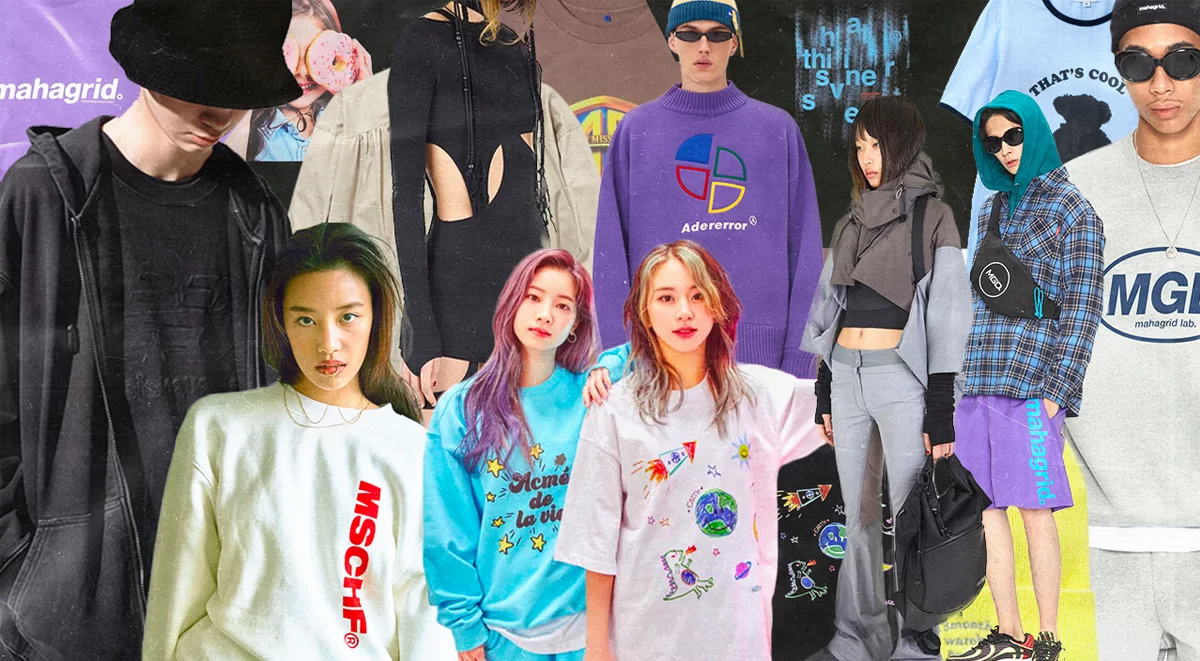
What are Streetwear Brands?
Streetwear brands represent a distinctive blend of fashion, culture, and social commentary, fundamentally rooted in urban environments. Originating during the late 20th century, streetwear has become a defining feature of modern fashion, heavily influenced by skateboarding, hip-hop, and youth subcultures. The term “streetwear” encompasses not just clothing, but also a lifestyle, reflecting the attitudes, beliefs, and styles of the communities from which it arises.
The roots of streetwear can be traced back to the 1980s and 1990s, a time when skate culture and hip-hop began to crossover, shaping the aesthetics of street fashion. Brands like Stüssy emerged during this period, offering designs that resonated with the carefree and rebellious spirit of youth. This fusion of influences marked a significant turning point in how fashion was perceived, providing a platform for expression that transcended traditional boundaries.
Streetwear brands differentiate themselves through their unique designs, often incorporating bold graphics, playful typography, and innovative silhouettes. These brands frequently collaborate with artists, musicians, and designers, further enriching their creative output and establishing a deep-rooted connection with their audience. Community engagement plays a pivotal role in streetwear’s identity, as many brands prioritize inclusivity and strive to build a sense of belonging among their customers.
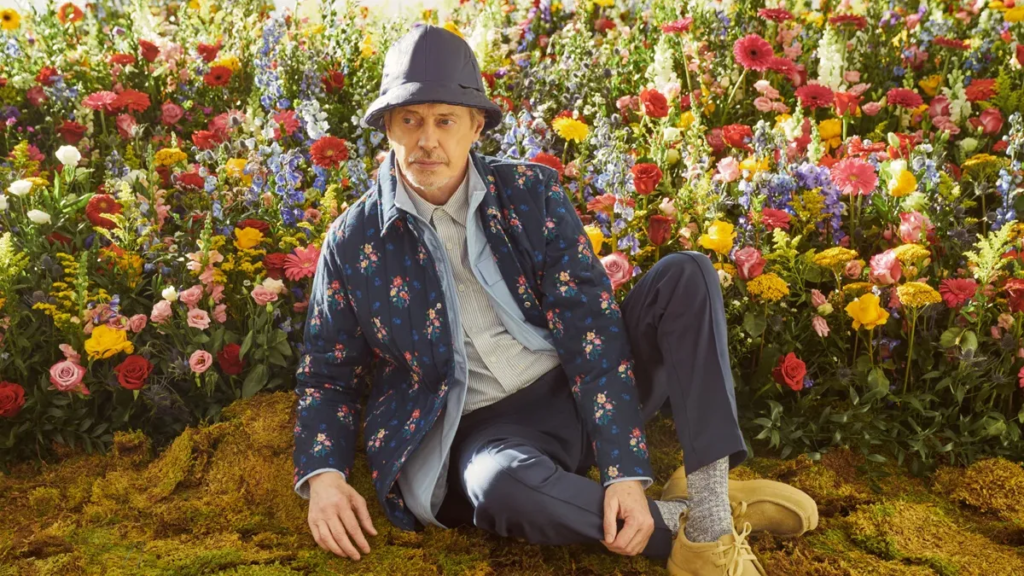
Moreover, streetwear brands utilize limited releases and exclusivity strategies to enhance their appeal, creating a unique blend of desirability and accessibility. This approach not only elevates the status of certain pieces but also fosters a cult-like following, with enthusiasts often willing to queue for hours to secure their favorite designs. As streetwear continues to evolve and adapt to contemporary trends, it remains a significant and influential aspect of urban fashion.
Top Streetwear Brands to Know
In the dynamic world of urban fashion, several streetwear brands stand out for their unique contributions and strong cultural influence. Supreme, perhaps the most recognizable name, has become synonymous with streetwear since its inception in 1994. Known for its bold red box logo and limited-edition releases, Supreme has established a fervent following. The brand’s strategic collaborations with luxury labels such as Louis Vuitton have blurred the lines between high fashion and street culture, further solidifying its status as a leader in the industry.
Another key player is Off-White, founded by the talented designer Virgil Abloh in 2012. This brand has become known for its distinctive designs and deconstructed aesthetic, characterized by bold graphics and quotation marks. Off-White has carved out a niche that appeals to both streetwear enthusiasts and high-fashion consumers alike. Collaborations with companies like Nike and IKEA have propelled Off-White into mainstream conversations, showcasing the brand’s innovative approach to design and marketing.
A Bathing Ape, or BAPE, is yet another iconic brand that has significantly contributed to the streetwear scene since the 1990s. This Japanese label is famous for its camouflage patterns and vibrant graphics, embodying a playful take on urban wear. BAPE’s appreciation for limited runs has fostered a sense of exclusivity, drawing collectors and fashion aficionados. Collaborations with global entities, including Adidas and Coca-Cola, have further enhanced BAPE’s relevance in the streetwear market.
The influence of these brands extends beyond mere clothing; they shape cultural dialogues around identity, individuality, and self-expression within the realms of urban fashion. Each brand, with its distinctive ethos and design philosophy, plays a crucial role in the ongoing evolution of streetwear, making them essential to understand for anyone interested in this vibrant fashion movement.
The Rise of Streetwear in Mainstream Fashion
Over the past two decades, streetwear has undergone a remarkable transformation, evolving from a niche subculture into a significant segment of global fashion. Originally rooted in the skateboarding and hip-hop cultures of the 1980s and 1990s, streetwear brands have captured the attention of high fashion, leading to collaborations that have redefined perceptions of style and status.
One key driver of this evolution has been the collaboration between streetwear brands and renowned luxury designers. These partnerships have allowed streetwear to transcend its casual aesthetic, merging it with high-fashion elements. Notable collaborations, such as those between Supreme and Louis Vuitton, or Off-White and Nike, have resulted in limited-edition collections that have garnered immense attention and desirability. This blending of high-end fashion with urban street styles has not only expanded the reach of streetwear but has also elevated its status in the fashion hierarchy.
Additionally, celebrity endorsements have significantly influenced the rise of streetwear. Prominent figures and influencers in music, sports, and entertainment, such as Kanye West and Travis Scott, have embraced streetwear as a means of personal expression. Their visibility has showcased the style to broader audiences, making it an aspirational choice for many consumers. As celebrities regularly sport streetwear brands on social media and red carpets, they propel these brands into the limelight, further enhancing their mainstream appeal.
Moreover, the impact of social media on the popularity of streetwear cannot be overstated. Platforms like Instagram and TikTok have served as marketing tools, allowing brands to engage directly with their audience. These social channels facilitate the rapid dissemination of trends and styles, enabling streetwear to connect with diverse demographics. The engaging nature of social media content means that consumers not only consume streetwear but actively participate in its culture, fostering a sense of community among fans.
The Future of Streetwear Brands
The future of streetwear brands is set against a backdrop of evolving consumer preferences and societal shifts that reflect deeper values. As streetwear continues to dominate the fashion landscape, emerging trends are expected to shape its trajectory profoundly. Notably, sustainability has emerged as a critical focus for many streetwear brands. Consumers are increasingly seeking transparent practices and eco-friendly materials, prompting established and new labels alike to rethink their production methods and material sources.
Incorporating sustainable elements into their collections, brands are aligning themselves with environmentally conscious movements. This adjustment is not merely a trend, but a necessary evolution that responds to the urgent call for climate action. New streetwear brands enter the market with sustainability at their core, presenting innovative solutions to traditional manufacturing challenges. This shift signifies a transformative period where style does not compromise ethical considerations.
Moreover, the rise of digital platforms influences how streetwear brands engage with their audience. Social media, for instance, plays a crucial role in shaping brand dynamics, allowing labels to communicate directly with their consumer bases. This trend reflects a broader movement towards inclusivity and personalization, where streetwear brands are increasingly driven by consumer feedback. Emerging labels are capitalizing on this opportunity to meet the unique demands of niche markets, thereby enhancing their relevance in a crowded market.
Furthermore, collaborations between streetwear brands and high fashion entities are likely to continue blurring the lines between distinct fashion categories. Ongoing partnerships are contributing to a cross-pollination of ideas and aesthetics, enriching the streetwear narrative. In essence, as urban fashion evolves, streetwear brands that prioritize sustainability, embrace digital transformation, and curate inclusive experiences will likely thrive in this competitive landscape.
