


Introduction
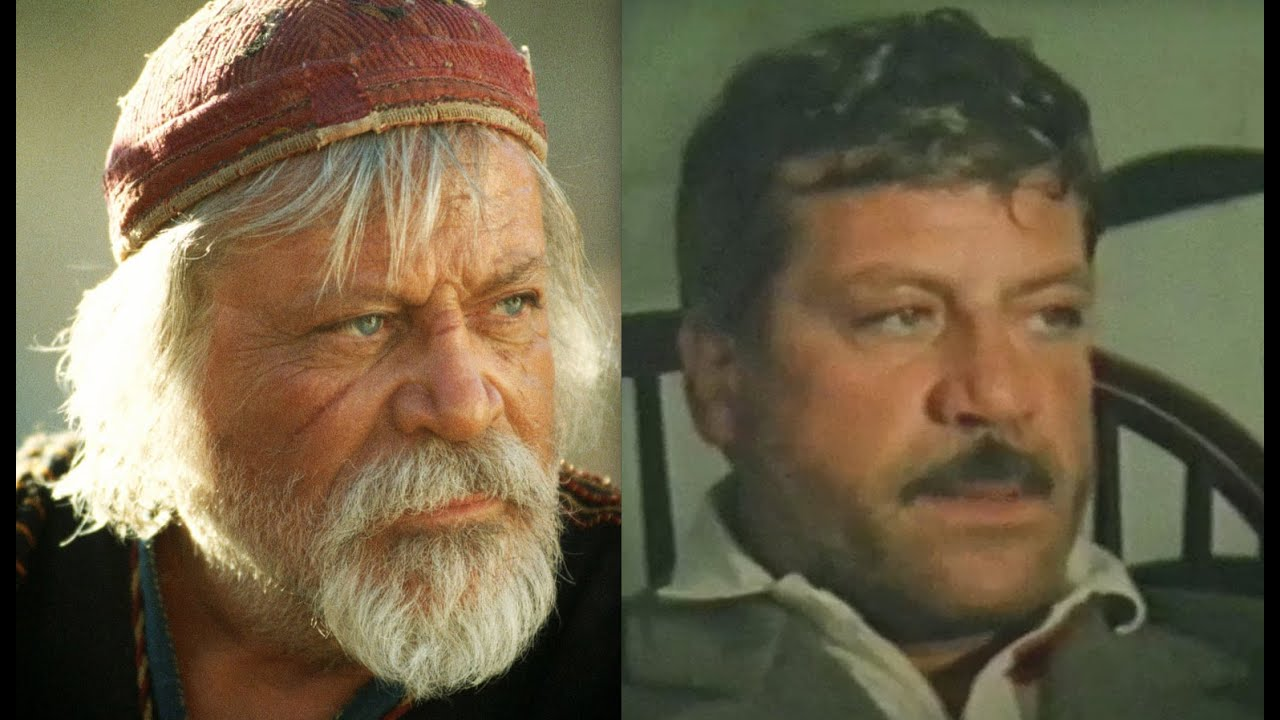
Oliver Reed remains one of British cinema’s most unforgettable actors. Known for his commanding screen presence and larger-than-life offscreen reputation, he built a career that spanned more than four decades.
From Hammer Horror films to his final performance in Gladiator, Reed’s work continues to influence how audiences remember classic British film. This article explores his life, career, and lasting legacy.
Who Was Oliver Reed?
Robert Oliver Reed was an English actor born on February 13, 1938, in Wimbledon, London. He became known for his upper-middle-class, masculine screen image, as well as his reputation as one of British cinema’s most notorious “hellraisers.”
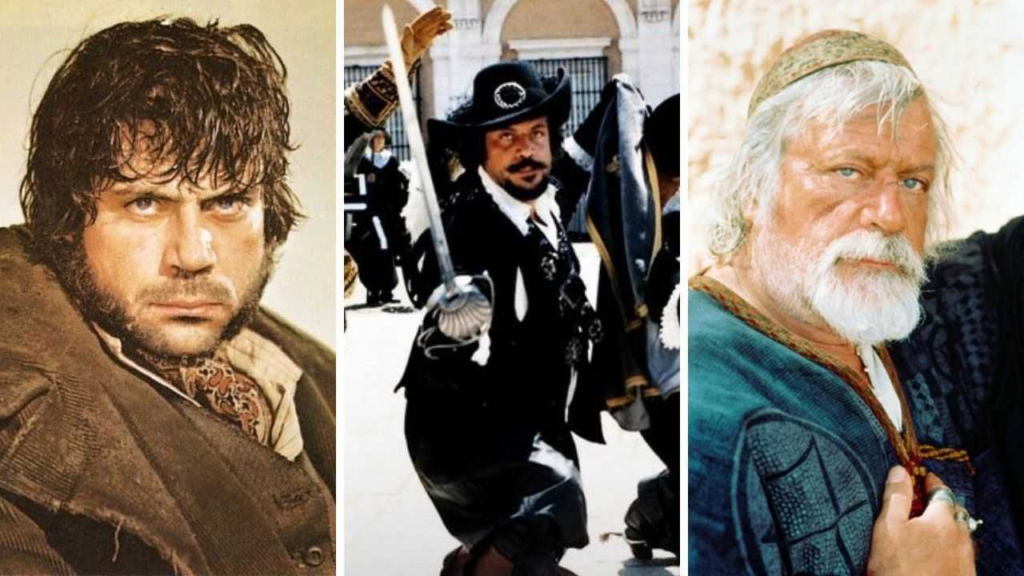
His screen career ran from 1955 to 1999, and at his peak in 1971, British exhibitors voted him the fifth-most-popular star at the box office.
Quick Facts Table
| Detail | Information |
|---|---|
| Full Name | Robert Oliver Reed |
| Date of Birth | February 13, 1938 |
| Date of Death | May 2, 1999 |
| Birthplace | Wimbledon, London, England |
| Profession | Actor |
| Known For | Oliver!, Women in Love, The Three Musketeers, Gladiator |
| Career Span | 1955–1999 |
Early Life and Family Background
Oliver Reed was born to Peter Reed, a sports journalist, and Marcia Napier-Andrews. He came from a family with strong ties to the film industry — his uncle was celebrated director Sir Carol Reed, and his grandfather was actor-manager Sir Herbert Beerbohm Tree.
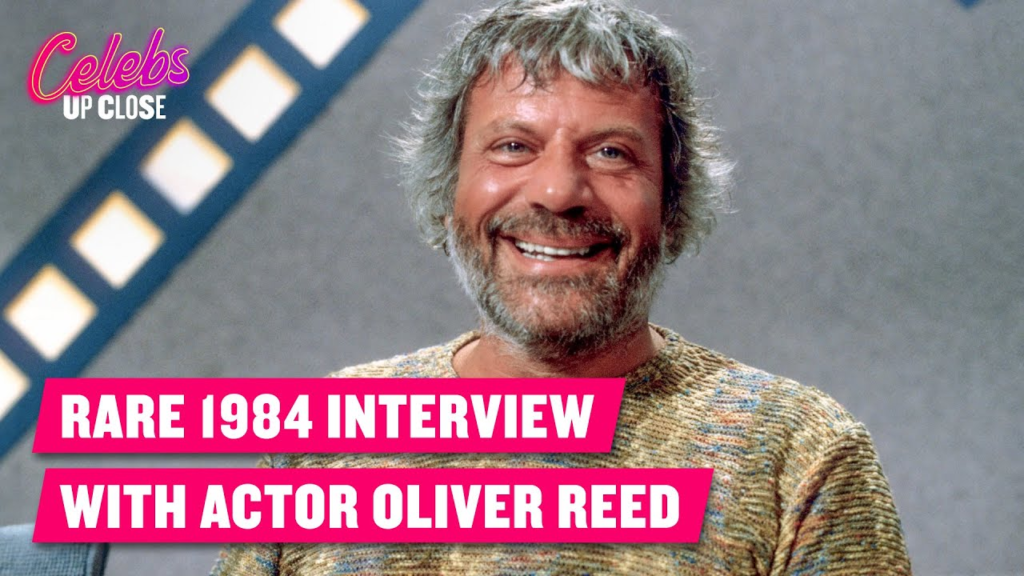
This creative family background helped shape his early entry into acting, even though he had no formal drama training.
Oliver Reed’s Rise to Fame
Hammer Horror Beginnings
Reed’s first major screen appearances came through Hammer Horror films in the early 1960s. His breakout role in The Curse of the Werewolf (1961) introduced him to wider audiences and established his intense on-screen presence.
Breakthrough with Oliver!
One of Reed’s most iconic roles came in 1968, when he played Bill Sikes in Oliver!, a film directed by his uncle, Carol Reed. The film won the Academy Award for Best Picture, and Reed’s performance remains one of his most recognized to this day.
Defining Roles in the 1960s and 1970s
Throughout this period, Reed built a reputation as one of British cinema’s most versatile actors. Notable roles included:
- Gerald Crich in Women in Love (1969)
- Stephen “Hannibal” Brooks in Hannibal Brooks (1969)
- Father Urbain Grandier in The Devils (1971)
- Athos in The Three Musketeers (1973) and The Four Musketeers (1974)
- “Uncle” Frank Hobbs in Tommy (1975)
These performances cemented his status as a leading figure in British film during this era.
Later Career and Gladiator
As his career progressed into the 1980s and 1990s, Oliver Reed took on a wide range of roles across different genres, including The Adventures of Baron Munchausen (1988) and Funny Bones (1995).
His final film role came in Ridley Scott’s Gladiator (2000), where he played Antonius Proximo, the gruff gladiator trainer. Reed passed away during production, and the film was completed using a combination of a body double and digitally adapted outtake footage. The movie was dedicated to his memory.
For this performance, Reed received a posthumous BAFTA nomination for Best Actor in a Supporting Role, along with a Screen Actors Guild Award nomination shared with the film’s principal cast.
Oliver Reed’s Off-Screen Reputation
Alongside his acting career, Oliver Reed became known for his heavy-drinking, “hellraiser” lifestyle. He was often associated with fellow actors Richard Burton, Richard Harris, and Peter O’Toole, all known for their off-screen antics during the same era.
Reed’s larger-than-life reputation became part of his public identity, sometimes overshadowing his acting achievements. He described himself as a British patriot and preferred living in the United Kingdom rather than relocating to Hollywood for his career.
Personal Life
Oliver Reed married Kate Byrne in 1960, and the couple had one son before divorcing in 1969. Beyond his marriage, his personal life was often documented through stories about his social behavior, many of which became part of British entertainment folklore.
In addition to acting, Reed also released several music singles over the years, though they achieved limited commercial success.
Oliver Reed’s Death and Legacy
Oliver Reed died on May 2, 1999, at the age of 61, while filming Gladiator in Malta. His death occurred suddenly during a night out, and tributes soon followed from across the film industry.
His legacy endures through his body of work, particularly his roles in Oliver!, The Three Musketeers, and Gladiator. Decades after his passing, Reed remains a celebrated figure in British film history, remembered both for his talent and his unforgettable personality.
Why Oliver Reed Remains an Iconic Figure
Several factors contribute to his lasting legacy:
- A diverse filmography spanning horror, drama, action, and epic cinema
- Memorable performances in Academy Award-winning films
- A distinctive on-screen presence that made him instantly recognizable
- A colorful public persona that added to his cultural impact beyond film
FAQs About Oliver Reed
1. What is Oliver Reed best known for? He is best known for playing Bill Sikes in Oliver!, Athos in The Three Musketeers, and Antonius Proximo in Gladiator.
2. When did Oliver Reed die? Oliver Reed died on May 2, 1999, at the age of 61, while filming Gladiator in Malta.
3. Was Oliver Reed related to any other filmmakers? Yes, his uncle was renowned director Sir Carol Reed, who directed Oliver!.
4. Did Oliver Reed receive any award nominations for Gladiator? Yes, he received a posthumous BAFTA nomination for Best Actor in a Supporting Role for his performance in Gladiator.
5. What was Oliver Reed known for outside of acting? He was widely known for his heavy-drinking, “hellraiser” lifestyle, which became a defining part of his public image.
Conclusion
Oliver Reed’s career reflects both extraordinary talent and an unforgettable personality that captured public attention for decades. From his early Hammer Horror roles to his final, celebrated performance in Gladiator, his contributions to British cinema remain widely respected.
Even decades after his passing, Oliver Reed continues to be remembered as one of the most compelling and complex figures in film history.
