


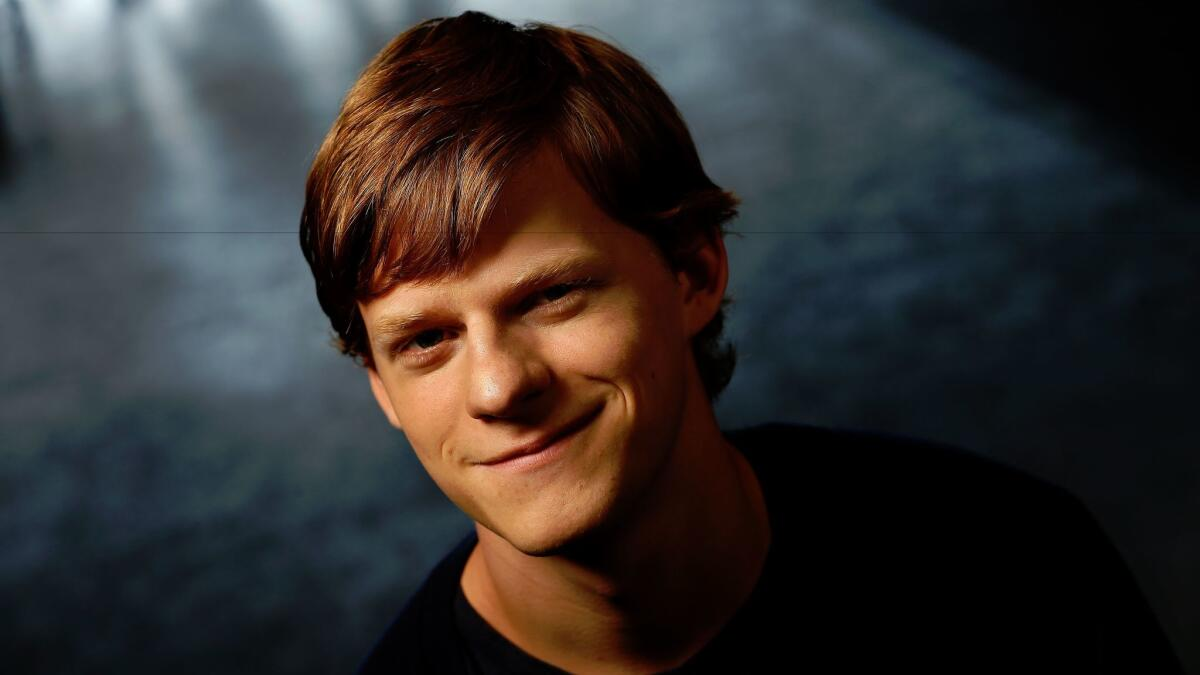
Early Life and Background of Lucas Hedges
Lucas Hedges was born on March 12, 1996, in Brooklyn, New York. He grew up in a creatively rich environment, being the son of acclaimed director Peter Hedges, best known for his work on films like “What’s Eating Gilbert Grape” and “About a Boy,” and actress Jennifer Hedges. This family background significantly influenced his early interest in the performing arts. Raised in a household where artistic endeavors were encouraged, Lucas developed a deep appreciation for storytelling and performance from a young age.
During his formative years, Hedges relocated to the suburbs of New York City, where his accessible proximity to the vibrant theater scene further fueled his aspirations. He attended the prestigious Saint Ann’s School, known for its focus on the arts and its liberal approach to education. This environment allowed Lucas to explore different forms of creative expression, including acting, music, and writing. His early experiences in school productions would prove invaluable as he honed his talent for dramatic performance, eventually leading him to be involved in local theater projects.
Lucas also spent time studying acting at the acclaimed Interlochen Center for the Arts in Michigan, where he immersed himself in intense training and collaborative projects with talented peers. These formative experiences solidified his determination to pursue a career in acting. Hedges’ rise in the industry can be traced back to his early exposure to film and theater, which allowed him not only to develop his craft but also to cultivate a strong understanding of the artistry and intricacies of performance. His background laid a strong foundation, enabling him to embark on a successful career in film, marked by critically acclaimed performances from a relatively young age.
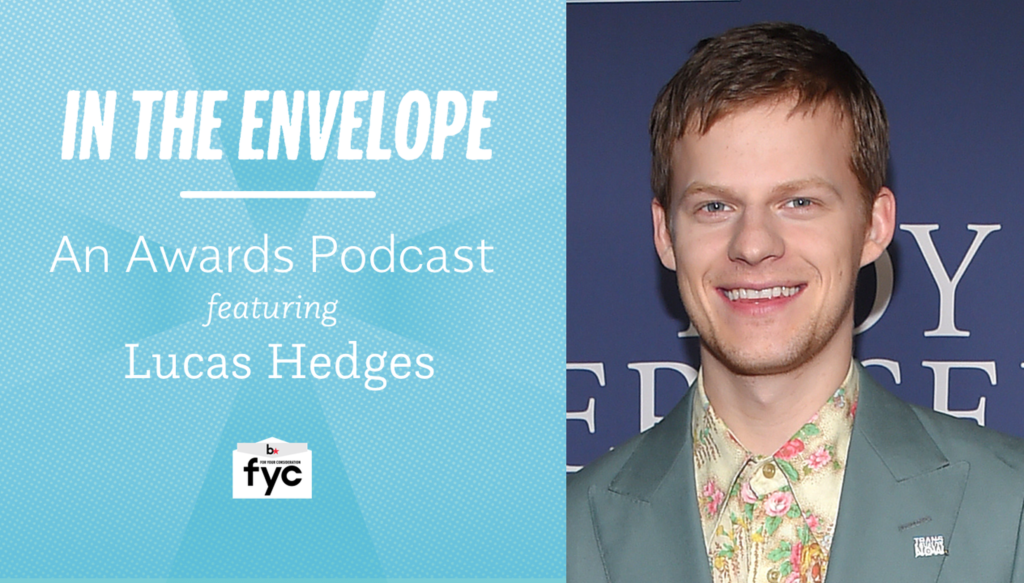
Breakthrough Role in Film and Theater
Lucas Hedges emerged as a significant talent in the film industry with his standout performances in critically acclaimed projects. His breakthrough role came with the powerful drama Manchester by the Sea, directed by Kenneth Lonergan, released in 2016. In this film, Hedges portrayed the character of Patrick Chandler, a teenager grappling with the sudden loss of his father. His performance was both poignant and relatable, capturing the complex emotional landscape of grief and adolescence. This role not only showcased his acting prowess but also earned him an Academy Award nomination for Best Supporting Actor, establishing him as a formidable presence in Hollywood.
Following the success of Manchester by the Sea, Lucas Hedges continued to build on his burgeoning career with another noteworthy performance in Boy Erased (2018), where he played the lead role of Jared Eamons. The film, which addresses the harrowing experiences of conversion therapy, further highlighted Hedges’ ability to tackle challenging and sensitive subjects. His portrayal of Jared resonated with audiences and critics alike, reinforcing his status as one of the most promising young actors of his generation. Critics praised his performance for its depth and authenticity, encapsulating the turmoil and courage of a young man navigating complex familial expectations and his own identity.
Both of these films played a crucial role in propelling Lucas Hedges into the mainstream, paving the way for further opportunities in diverse genres. His remarkable talent and commitment to his craft have made him a significant figure in contemporary cinema and theater, and his subsequent projects continue to draw the attention of audiences and industry professionals. This trajectory underscores how pivotal roles like those in Manchester by the Sea and Boy Erased have cemented Hedges’ legacy in the realm of acting.

Diverse Roles and Acting Style
Since his breakthrough performance, Lucas Hedges has emerged as one of the most versatile young actors in contemporary cinema. He has demonstrated an impressive ability to inhabit a wide range of characters across various genres, showcasing his exceptional talent. From his poignant portrayal of a young man grappling with his identity in “Moonlight” to the deeply emotional role of a struggling teenager in “Manchester by the Sea,” Hedges has consistently captured the nuanced complexities of the human experience.
Lucas Hedges’ filmography reveals his willingness to take on challenging roles, often pushing the boundaries of his comfort zone. In films such as “Boy Erased” and “Honey Boy,” he delves into the struggles of youth, exploring themes of acceptance, trauma, and personal growth. This ability to embody diverse characters reflects not only his range but also a keen understanding of the intricacies of various narratives. Hedges has worked with acclaimed directors and screenwriters, further enriching his performances through collaborative storytelling.
In terms of acting style, Lucas Hedges utilizes a method approach that integrates emotion with meticulous attention to detail. His performances are often characterized by a quiet intensity that resonates powerfully with audiences. He carefully studies his characters, drawing from both personal experiences and research to create authentic portrayals. This commitment to his roles has led to significant recognition within the film industry, including multiple award nominations.
As Hedges continues to evolve as an actor, he embraces diverse genres and storylines, whether in dramatic films or more light-hearted roles, as evidenced by his work in “The French Dispatch.” By continuously adapting his approach and seeking out fresh challenges, Lucas Hedges has solidified his position as a dynamic force in film, inspiring both peers and aspiring actors alike.
Impact on Modern Cinema and Future Prospects
Lucas Hedges has established himself as a significant figure in modern cinema, showcasing unmatched talent and versatility across a variety of roles. His performances often resonate deeply with audiences, contributing to the evolving narrative of film storytelling. One of the key aspects of Hedges’ influence is his ability to portray complex characters that challenge traditional representations. By adopting roles that explore emotional depth, such as in “Manchester by the Sea” and “Boy Erased,” he has not only garnered critical acclaim but has also opened up conversations about identity and mental health in modern film narratives.
Additionally, Lucas Hedges’ work embodies a fresh perspective in the exploration of themes that are often overlooked in mainstream cinema. He moves the focus away from standard tropes and brings to life stories of vulnerability, often reflecting the real struggles of contemporary youth. This thoughtful representation is pivotal in shaping the direction of future storytelling within the industry. Hedges sets a precedent that encourages both creators and audiences alike to embrace more nuanced narratives, fostering a culture of inclusivity and emotional authenticity.
Looking ahead, the future prospects for Lucas Hedges appear bright. Given the current trends in the film industry favoring diverse and meaningful storytelling, he is poised to take on more challenging projects that delve deeper into integral societal issues. There is a growing demand for actors who can embody the intricacies of contemporary life, and Hedges is well-equipped to respond to this need. His ability to connect with younger audiences only solidifies his status as an influential figure in modern Hollywood. As Lucas Hedges continues to evolve in his career, it will be exciting to see how he further impacts the cinematic landscape and inspires the next generation of actors.
