


Early Life and Background
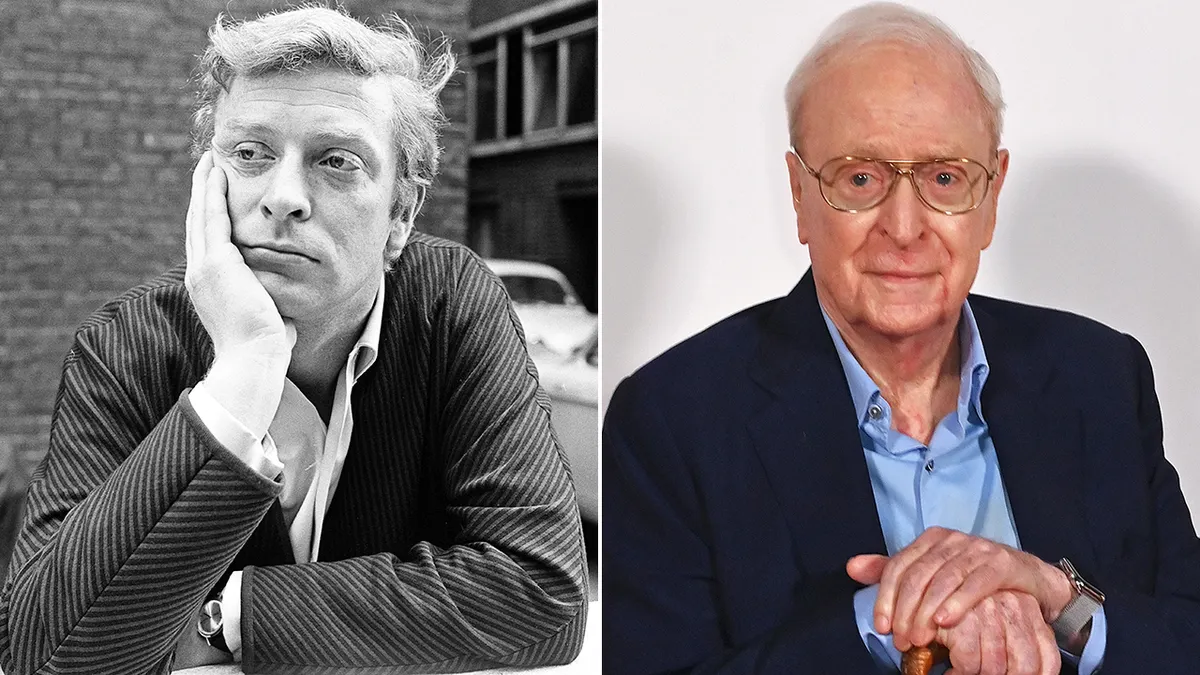
Michael Caine, born Maurice Joseph Micklewhite Jr. on March 14, 1933, in the Rotherhithe area of London, has become an iconic figure in the film industry. His humble beginnings rooted in a working-class family have significantly influenced both his personal and professional life. Caine’s father, a fish market porter, and his mother, a cleaning lady, instilled in him the values of hard work and determination that would shape his future career.
Growing up in the aftermath of the Great Depression and during World War II, Michael Caine faced numerous challenges. The air raids and subsequent destruction around London during his youth left a lasting impression on him. Despite such adversities, he showed an early interest in acting, performing in school plays and local theater productions. The ability to escape into different characters offered him solace during tumultuous times.
Education was not a primary focus during his formative years, leading him to leave school at the age of 15. His first job was at a list manufacturer, but it was the national service that altered the course of his life. Serving in the British Army’s Royal Fusiliers, Caine was exposed to various aspects of life that broadened his perspective. Post-service, he returned to London, where he began to pursue his passion for acting more seriously. His resolve and tenacity ultimately led him to enroll at the London Academy of Music and Dramatic Art, where he refined his craft.
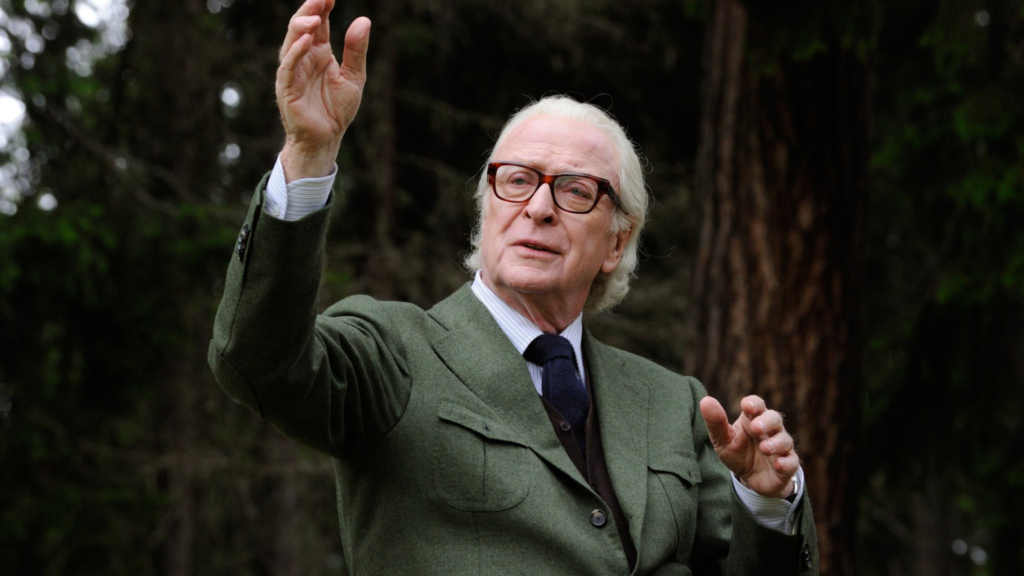
These formative experiences in London’s impoverished neighborhoods and the lessons they imparted prepared Michael Caine for the competitive world of acting. His journey from humble beginnings to becoming a celebrated actor reflects not only his talent but also the influence of his background on his work ethic and aspirations in the film industry.
Rise to Stardom
Michael Caine’s journey to becoming one of the most recognized names in the film industry is a testament to both talent and perseverance. Born Maurice Joseph Micklewhite Jr. in 1933 in Rotherhithe, London, Caine faced numerous challenges early in his career. The son of a fish market porter and a cleaner, he was not born into privilege, and his humble beginnings influenced his determination to succeed.
Initially, Caine’s path led him through the theatre, where he honed his craft in various productions. His stage experience was vital, allowing him to develop the skills necessary for his transition into film. However, it was not until he received pivotal roles in films such as “Alfie” (1966) and “The Italian Job” (1969) that his stardom began to rise significantly. These performances showcased his unique charisma and versatility, captivating audiences and establishing his reputation.

Throughout the 1970s and 1980s, Michael Caine collaborated with notable directors, which played a crucial role in furthering his career. His work in films like “Get Carter” (1971) and “The Man Who Would Be King” (1975) revealed his extraordinary range as an actor. It also highlighted his ability to portray a wide variety of characters, from charming anti-heroes to demanding historical figures.
Moreover, partnerships with acclaimed directors, including the likes of Christopher Nolan in films such as “The Dark Knight” trilogy, solidified Caine’s position in Hollywood. His performances not only garnered critical acclaim but also created a strong bond of mutual respect and admiration between him and these filmmakers.
Michael Caine’s transformative role in the cinematic landscape has made him an icon, transcending generations. His journey from the stage to the silver screen embodies the spirit of resilience, underscoring the notion that talent, coupled with hard work, can lead to remarkable success.

Iconic Roles and Distinctive Style
Michael Caine, a monumental figure in cinema, has delivered an array of unforgettable performances, highlighting his spectacular versatility as an actor. One of his early iconic roles came in the 1966 film Alfie, where he portrayed the womanizing title character. Caine’s depiction of Alfie was magnetic, capturing both the charm and flaws of a young man navigating life in London. This role showcased his ability to embody complex characters while maintaining an appealing character arc.
Another landmark in Michael Caine’s career was his role in the 1969 classic, The Italian Job. In this heist film, Caine’s portrayal of Charlie Croker introduced audiences to a clever and crafty protagonist. His distinctive Cockney accent and charismatic demeanor became hallmarks of his performances, establishing him as a recognizable and influential figure in the British film industry. This film not only solidified his status but also became a cultural touchstone, often referenced in the context of British cinema.
In a different genre, Caine demonstrated his remarkable range in The Dark Knight trilogy, where he took on the role of Alfred Pennyworth, Batman’s loyal butler. Caine infused the character with depth and wisdom, providing a strong emotional center amidst the chaos of Gotham’s underworld. His ability to balance gravitas with subtle humor highlighted his skill in delving into diverse character archetypes, further broadening his already impressive repertoire.
Caine’s distinctive acting style—marked by his thoughtful delivery and commanding presence—has allowed him to transcend genres. Whether in comedy, drama, or action, he masterfully connects with audiences, bringing authenticity to every role. This blend of charisma and versatility enables Michael Caine to remain an enduring figure in film history, illustrating the timeless nature of his contributions to cinema.
Legacy and Impact on Cinema
Michael Caine’s illustrious career has left an indelible mark on the film industry, making him a towering figure in both British and global cinema. Spanning over seven decades, his performances have not only showcased his exceptional talent but have also paved the way for aspiring actors around the world. Caine’s versatility as an actor, with a repertoire ranging from dramatic roles to light-hearted comedies, has illustrated the depth and breadth of his craft, inspiring countless young talents to explore their capabilities beyond conventional boundaries.
Moreover, Michael Caine’s profound influence extends beyond merely acting. He has contributed significantly to the cinematic process, often sharing his insights and experiences in various interviews and memoirs. His pragmatic approach and wisdom, outlined in his influential guide “Acting in Film,” has been a beacon for aspiring filmmakers and actors alike. Through these contributions, Caine has demonstrated how important mentorship and education can be in the development of new talent within the industry.
Caine’s philanthropic efforts have also solidified his legacy. He has been an advocate for numerous charitable causes, using his stature to support various humanitarian efforts, thereby positively influencing communities outside of cinema. This commitment reflects his character and has endeared him to fans and fellow actors alike, establishing him as a beloved figure in popular culture.
Furthermore, michael Caine‘s contributions to the British film industry have played a pivotal role in elevating its global recognition. His alignment with renowned auteurs and participation in films that highlight British stories and experiences have enriched cinema and provided a platform for others. As Michael Caine continues to engage with his craft, his enduring influence on the film-making process and the burgeoning actors who look up to him will undoubtedly resonate for generations to come.
