


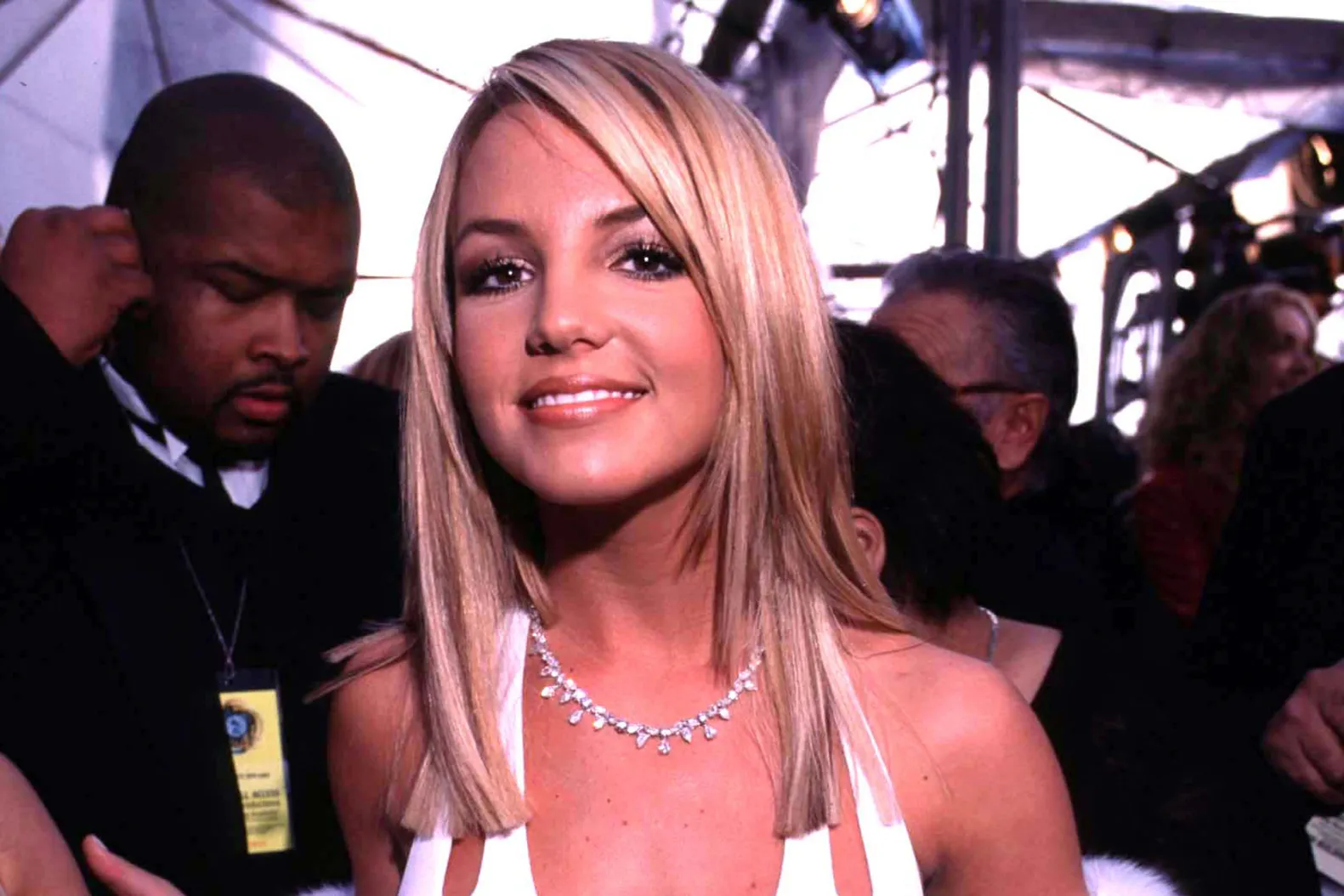
A Glimpse into Britney Spears’ Early Life and Rise to Fame
Britney Spears, born on December 2, 1981, in McComb, Mississippi, and raised in Kentwood, Louisiana, was destined for a life entwined with music and performance from a young age. Her early exposure to the performing arts began when she took gymnastics lessons and joined a local singing group. By the age of eight, she was already showing signs of her nascent talent, participating in various talent shows and local events, which helped to foster her interest in pursuing a career in entertainment.
Britney’s childhood was pivotal in shaping her artistic identity. Encouraged by her family, particularly her mother, she moved to New York City at the age of eleven to audition for the “Mickey Mouse Club,” a children’s television show that launched the careers of several prominent figures in pop culture. Although she did not get the part, her experiences in the city introduced her to the competitive world of entertainment and further solidified her passion for music.
Transitioning from a hopeful young performer to a cultural phenomenon, Britney Spears achieved her breakout moment in 1998 with the release of her iconic debut single, “…Baby One More Time.” The song, characterized by its catchy melody and evocative lyrics, quickly rose to the top of the charts and solidified her status as a defining figure in late 1990s pop music. Its success not only showcased her vocal abilities but also marked the beginning of a new era in the music industry, where teen pop became immensely popular. With accompanying choreography and a memorable music video, Britney Spears transformed from a shy Southern girl into an international superstar, capturing the hearts of millions and creating an indelible mark on pop culture.
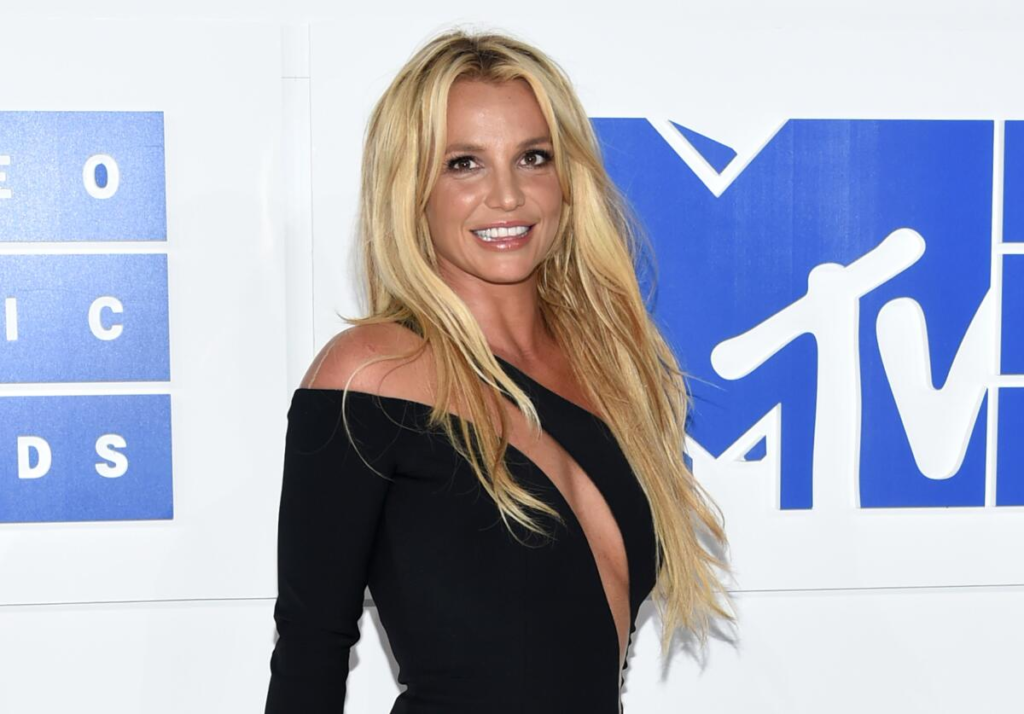
Britney Spears’ Musical Evolution and Chart-Topping Hits
Since her debut in the late 1990s, Britney Spears has firmly established herself as a key player in the pop music landscape. Her first album, “…Baby One More Time,” released in 1999, not only catapulted her to global fame but also set the tone for a career defined by catchy melodies and memorable hooks. The title track became an instant classic, showcasing her distinctive vocal style and establishing her as a leading figure in the teen pop genre.
Following her initial success, Britney released several other albums that demonstrated her growth as an artist. “Oops!… I Did It Again” (2000) solidified her status with its iconic tracks and ongoing chart success. The evolution of her sound continued with the release of “Britney” in 2001, where she began exploring more mature themes and diverse genres, blending pop with elements of R&B, dance, and even rock. Hits like “I’m a Slave 4 U” marked a pivotal shift in her artistic direction, showcasing her willingness to experiment creatively.
Throughout the 2000s, Britney launched a series of successful albums, including “In the Zone” and “Blackout,” both of which featured genre-defining songs that were representative of pop’s shift towards electronic influences. Notable singles like “Toxic” and “Gimme More” not only topped charts but also garnered critical acclaim, establishing her as a formidable force in the music industry. Moreover, her collaborations with other artists, such as the hit single “S&M (Remix)” featuring Rihanna, further reinforced her status as an influential pop icon.
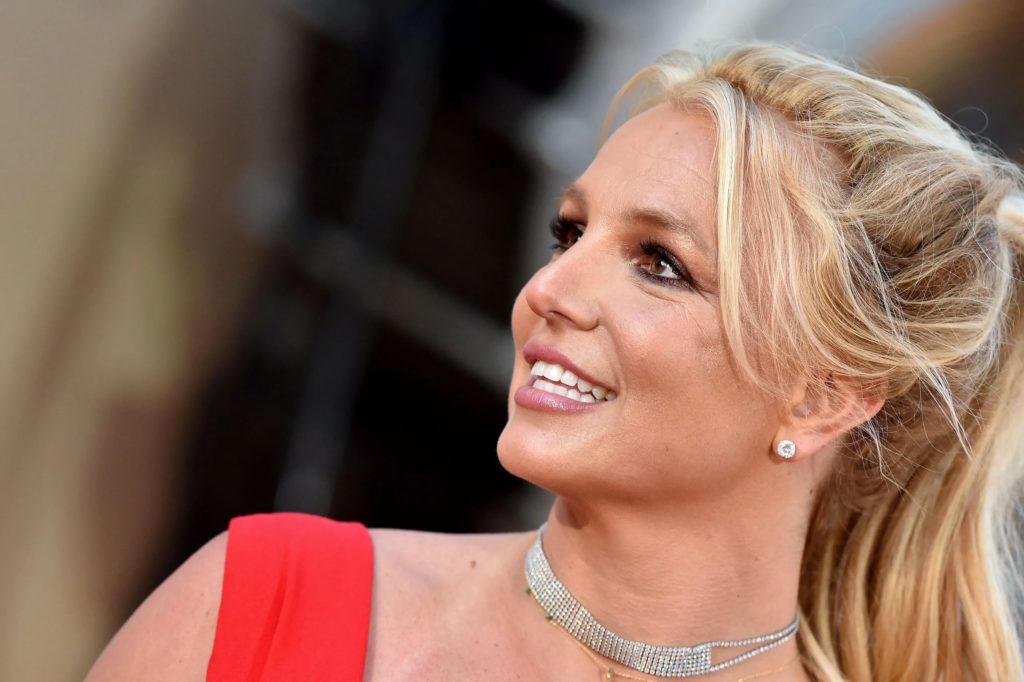
Britney Spears’ live performances and music videos have also left an indelible mark on pop culture. Iconic moments, such as her electrifying dance routines and striking visuals, have made her a trendsetter in the music video domain, inspiring a new generation of artists. The also showcased her ability to connect with her audience, combining talent with charisma. In summary, her musical evolution has reflected not only her personal journey but also the changing landscape of pop music itself.
The Challenges Faced by Britney Spears in the Spotlight
The journey of Britney Spears as a cultural icon has been marked by numerous challenges, both personal and professional. From her meteoric rise to fame in the late 1990s and early 2000s to her later struggles, Britney’s life has been a testament to the complex dynamic between celebrity culture and mental health. One of the most prominent challenges she faced has been her ongoing struggle with mental health issues. The pressures of fame and the relentless scrutiny from the media often exacerbated these challenges, leading to significant public episodes that garnered widespread attention.
Moreover, the establishment of a conservatorship in 2008 added another layer of complexity to her situation. This legal arrangement, wherein control over her financial and personal decisions was granted to her father and other conservators, sparked widespread debate and concern over the autonomy of individuals with mental health struggles. Many fans and advocacy groups rallied for Britney, questioning the legitimacy and longevity of the conservatorship. This public support highlighted the growing awareness of the need for mental health advocacy, especially in how society treats individuals in the limelight.
The role of media in shaping public perception cannot be overlooked. As a celebrity, Britney Spears was subject to invasive coverage, sensationalized headlines, and a lack of empathetic understanding regarding her personal struggles. Media narratives often focused on her perceived failures rather than acknowledging the complexities of her circumstances, contributing to her overwhelming stress and public image challenges. These experiences have undoubtedly played a role in her artistic expressions, prompting a deeper discussion about mental health, personal agency, and the implications of fame in today’s society.
Britney Spears’ Legacy and Influence on Pop Culture
Britney Spears has undoubtedly carved out a niche in the annals of pop culture, establishing a legacy that extends beyond her chart-topping hits. As a figure who emerged in the late 1990s, she not only redefined the pop music landscape but also altered how female artists are perceived in the industry. Many contemporary artists, such as Taylor Swift and Lady Gaga, have cited Britney as an influence, demonstrating her far-reaching impact on a new generation of musicians.
Spears’ contributions to music go beyond mere popularity; she brought an era of visual artistry to music videos, with iconic pieces that set the standard for performance and presentation. Her choreography, style, and stage presence have been emulated by countless artists, reaffirming her status as a trendsetter. The production of her albums, notably …Baby One More Time and Oops!… I Did It Again, demonstrated a blend of catchy melodies and engaging narratives, establishing a template for pop music that many continue to utilize.
Moreover, Britney’s journey has sparked significant social movements addressing mental health and personal autonomy. Her long, public battle for freedom from a restrictive conservatorship has not only revealed the complexities of celebrity life but also galvanized public support around issues of personal rights and mental health awareness. Fans have played a crucial role in this movement, rallying through social media campaigns under the banner of #FreeBritney, which have highlighted the importance of individual agency.
Today, Britney Spears remains a relevant figure in both the entertainment world and societal discussions. The resurgence of interest in her story, fueled by documentaries and renewed fan engagement, underscores how her influence persists. As a cultural icon, Britney’s legacy is not merely about her past achievements but also the dialogues she has spurred regarding mental health, feminism, and the pressures faced by public figures.
