


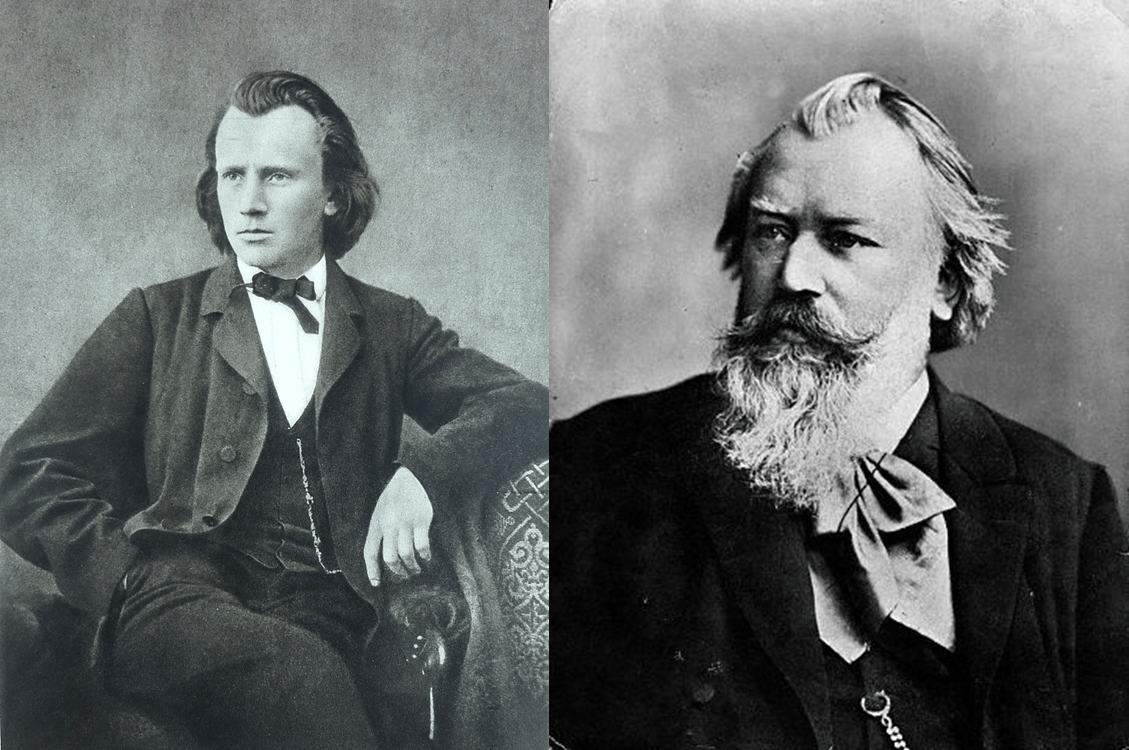
Introduction to Johannes Brahms
Johannes Brahms, born on May 7, 1833, in Hamburg, Germany, emerged as one of the most significant figures in Western classical music. His upbringing in a modest household greatly influenced his early artistic development. His father, a musician, exposed him to music at a young age, fostering his interest and nurturing his talents. Brahms quickly became proficient in piano and composition, leading to his acceptance into the vibrant musical culture of mid-19th century Germany.
Growing up in a city rooted in a rich musical tradition, Brahms was inspired by various composers and styles. He experienced the music of Bach, Beethoven, and Schubert, all of which he admired deeply and would later emulate in his works. As a child prodigy, he began performing at local venues, but his desire for profound artistic expression drove him to pursue composition seriously. It was during this time that he began to blend his influences, finding his unique voice amid the classical traditions surrounding him.
A pivotal moment in Brahms’ early career occurred in 1853 when he met the violinist Joseph Joachim and later gained the patronage of the composer Robert Schumann and his wife, Clara Schumann. This connection propelled him into the upper echelons of musical society, providing him with invaluable exposure and guidance. It is during this period that Brahms composed several significant works that would lay the foundation for his legacy as a composer. His innovative approach to harmony and structure redefined the symphonic form, and he became known for his deeply expressive melodies and intricate contrapuntal techniques.
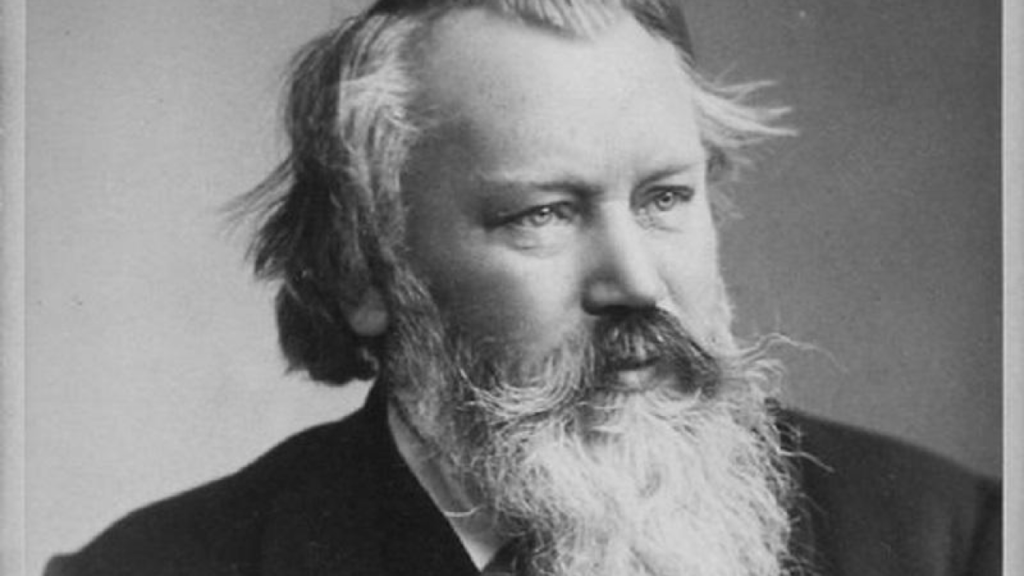
The life of Johannes Brahms was characterized by a profound commitment to his craft and a desire to elevate the standards of music during his time. His contributions to the world of classical music continue to resonate, as his works are performed widely and hold an essential place in the repertoire today.
The Musical Style of Johannes Brahms
Johannes Brahms, a leading figure in 19th-century music, is renowned for his distinctive compositional style, which reflects a synthesis of classical forms and romantic expressiveness. His music is characterized by a rigorous adherence to formal structures, such as sonata forms and variations, which he expertly intertwined with emotive melodies and complex harmonies. These elements not only mark Brahms’ individual genius but also signify his role in the transition from the Romantic era into the burgeoning modern era.
Brahms’ symphonic works demonstrate his mastery of orchestration and thematic development. In his four symphonies, Brahms employed classical forms while incorporating rich harmonic progressions that convey deep emotional nuances. For instance, his use of the Brahmsian “double theme” allows for intricate interplay between contrasting motifs, a technique that contributes to both tension and resolution within the music.
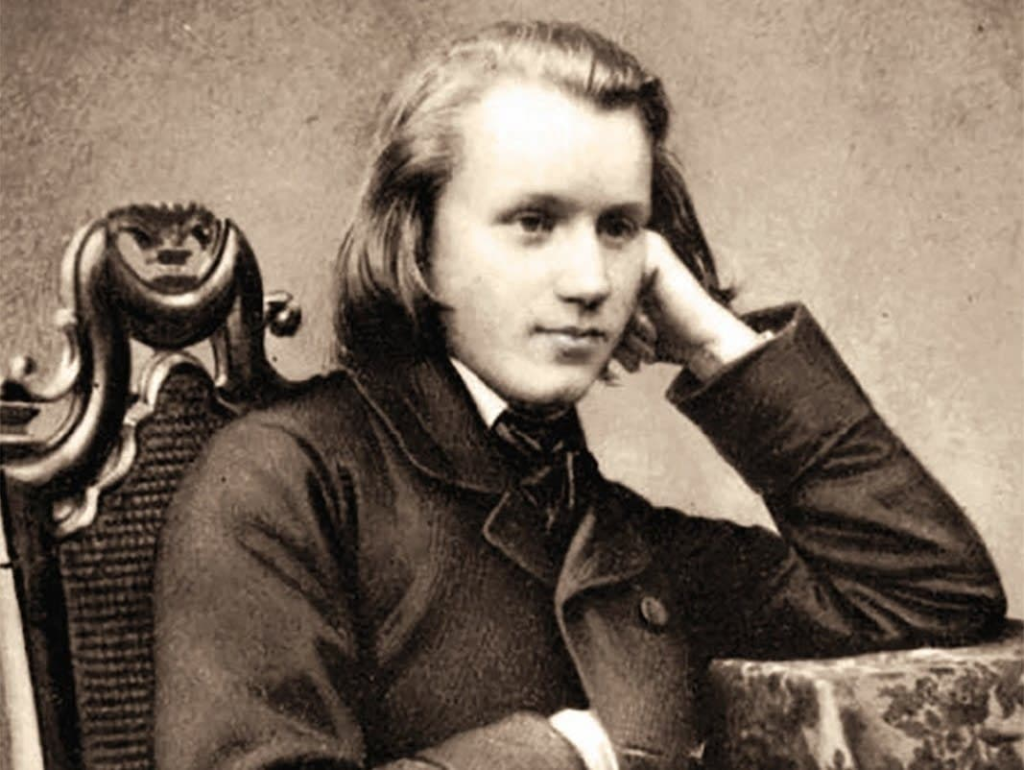
In addition to symphonies, Brahms made significant contributions to chamber music, with notable compositions such as the piano quartets and trios. These chamber works showcase his ability to blend individual instruments in a collaborative dialogue, further emphasizing the emotional depth of his melodies. His chamber music particularly exemplifies his skill in crafting profound yet accessible musical conversations among instruments.
Choral works also form an essential part of Brahms’ legacy. Pieces such as the “Ein deutsches Requiem” highlight his skillful use of vocal and orchestral textures. The Requiem demonstrates a unique approach to sacred music, reflecting human experience rather than adhering strictly to traditional liturgical texts. Thus, Brahms’ ability to navigate various genres, including symphonies, chamber music, and choral compositions, underscores the versatility inherent in his musical language, establishing him as a pivotal figure in the evolution of Western art music.
Major Works and Contributions
Johannes Brahms, a celebrated figure of the Romantic era, made significant strides in the world of classical music. His compositions are characterized by complexity and deep emotion, earning him a prominent place in music history. Among his most notable works are his four symphonies, which are heralded for their structural innovation and thematic depth. These symphonies, particularly the First and Fourth, showcase Brahms’ ability to combine traditional forms with a new emotional language, making them essential listening for both concertgoers and musicians alike.
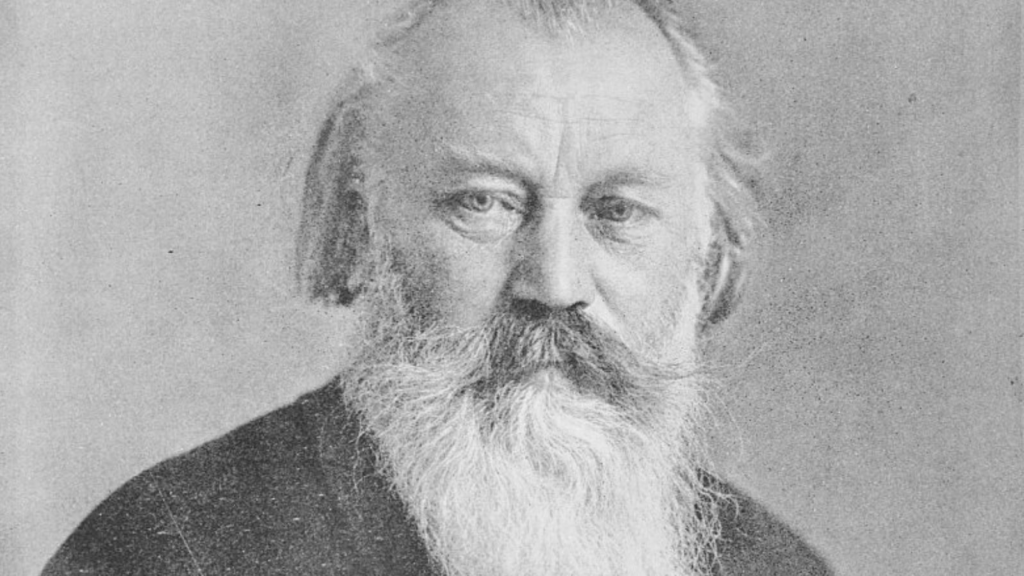
In addition to his symphonic contributions, Brahms composed several concertos, most notably the Violin Concerto in D major, Op. 77, and the Piano Concerto No. 1 in D minor, Op. 15. The Violin Concerto, featuring virtuosic passages and lyrical melodies, has become a staple in the violin repertoire, beloved by both performers and audiences. Similarly, his Piano Concerto No. 1, full of rigorous demands and rich orchestration, showcases his profound understanding of the piano as an instrument. These works exemplify Brahms’ ability to weave intricate textures and innovative harmonies into his compositions.
Brahms also made a significant impact on chamber music, producing masterpieces such as his Piano Quintet in F minor, Op. 34, and the Clarinet Quintet in B minor, Op. 115. These chamber works reflect Brahms’ skill in creating intimate yet powerful musical dialogues among instruments. His contributions extend beyond mere notes; his music is imbued with a sense of history and a dialogue with the past, particularly a reverence for classical predecessors like Beethoven and Schubert. The lasting influence of Johannes Brahms can be seen in the works of later composers who sought to capture the essence of his emotional depth and structural sophistication, solidifying his legacy as a cornerstone of Western classical music.
Legacy and Influence of Johannes Brahms
Johannes Brahms has left an indelible mark on the landscape of classical music, cementing his place as one of the most significant composers of the 19th century. His contribution extends beyond mere compositions; Brahms effectively bridged the gap between the Classical and Romantic eras, drawing from the past while paving the way for future innovators. His works embody a synthesis of structural integrity and emotional depth, elements that continue to resonate with both composers and audiences alike.
Brahms’s influence is evident in the works of numerous composers who followed him. For instance, composers like Arnold Schoenberg and Claude Debussy acknowledged the profound impact of Brahms’s harmonic language and formal techniques. They absorbed aspects of his style while exploring new avenues of musical expression, often contrasting Brahms’s rootedness in tradition with their own progressive approaches. This legacy of innovation, rooted in Brahms’s mastery of form and melody, can be heard in the compositions of the late Romantic and early 20th-century eras.
The significance of Johannes Brahms is firmly established within the canon of Western classical music. His music is regularly performed by orchestras and chamber ensembles worldwide, ensuring that his works are accessible to both seasoned concertgoers and new listeners. Brahms’s symphonies, concertos, and chamber music not only convey intricate musical narratives but also invite performers to engage with the nuance and complexity of his style. This level of engagement speaks volumes about his enduring relevance.
Today, Brahms’s compositions continue to inspire a wide array of interpretations, demonstrating their adaptability across changing musical landscapes. Conductors and musicians are drawn to his works, each bringing their unique perspective, which further enriches the experience of Brahms’s music. In conclusion, the legacy of Johannes Brahms remains robust, continually shaping the evolution of classical music and influencing generations of musicians.
