


Introduction
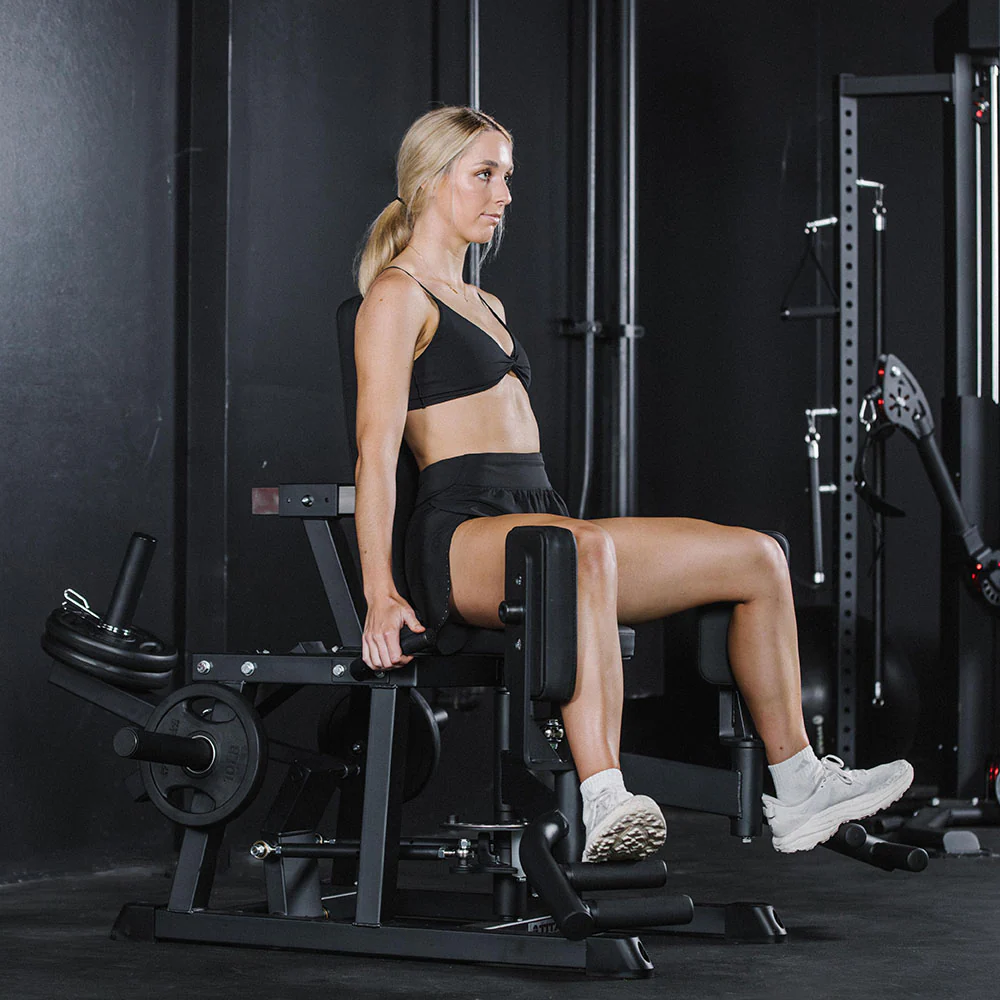
Walk into almost any gym and you’ll spot the abductor machine, easily recognized by its seated design and outward-pressing leg pads. Despite being a gym staple, many lifters skip it entirely or use it with poor form, missing out on real benefits for hip stability, knee alignment, and glute development.
This guide covers what the abductor machine actually does, the muscles it targets, and how to use it correctly to get the most out of every set.
What Is the Abductor Machine?
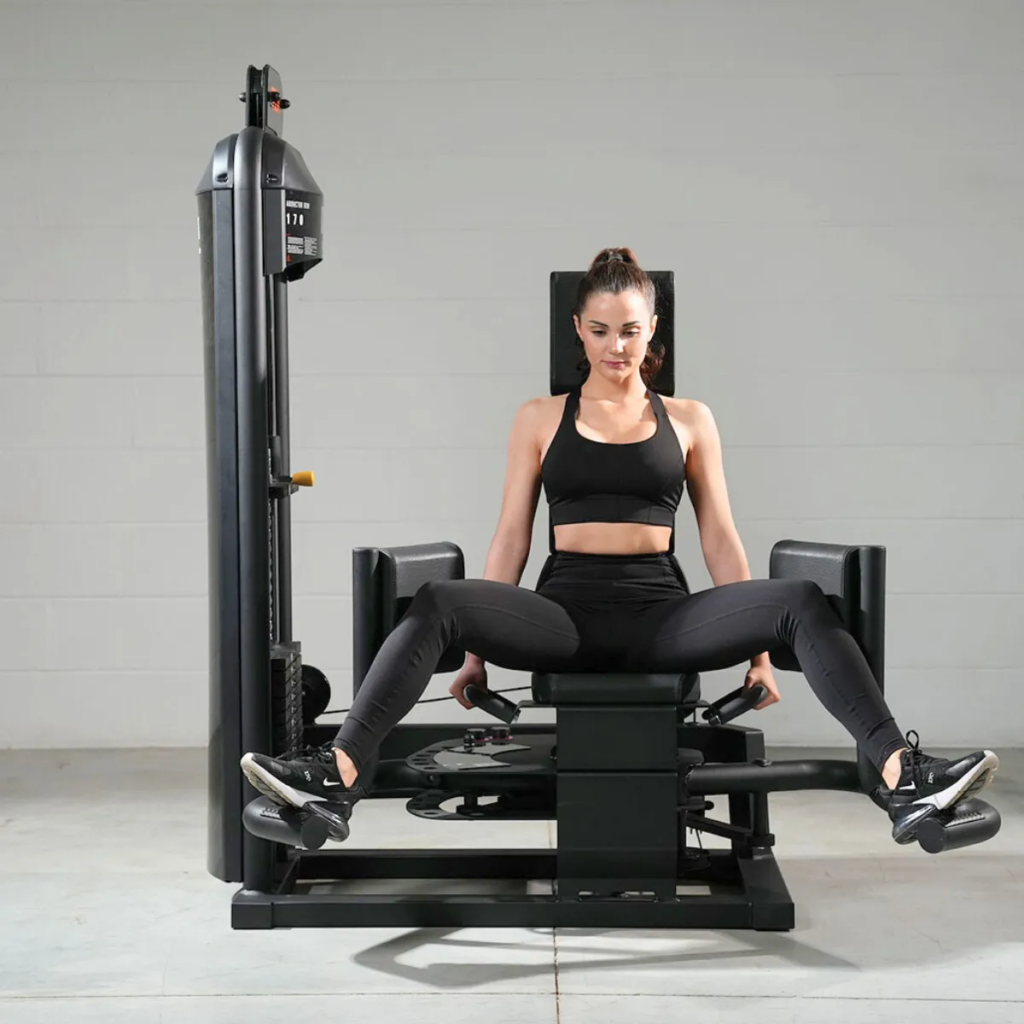
The abductor machine, also called the hip abduction machine, is a piece of gym equipment designed to isolate and strengthen the muscles responsible for hip abduction, the movement of the leg away from the body’s midline. Users sit in the machine with padded cushions pressed against their outer thighs, then push their legs outward against resistance.
This machine uses a fixed, guided range of motion, which adds stability and lets you focus purely on muscle exertion rather than balancing the movement yourself, making it especially beginner-friendly compared to free-weight alternatives.
Quick Facts Table
| Detail | Information |
|---|---|
| Equipment Type | Seated isolation machine |
| Primary Movement | Hip abduction (legs moving outward) |
| Main Muscles Targeted | Gluteus medius, gluteus minimus, TFL |
| Secondary Muscles | Gluteus maximus (partial) |
| Recommended Rep Range | 12–20 reps per set |
| Recommended Sets | 2–4 working sets |
Muscles Worked by the Abductor Machine
The abductor machine primarily targets the muscles along the outer hip and thigh, which often get underworked during compound lifts like squats and deadlifts.
- Gluteus medius: The primary muscle responsible for hip abduction and pelvic stability
- Gluteus minimus: Works alongside the medius to support hip movement and stability
- Tensor fasciae latae (TFL): Assists with hip abduction and stabilizes the outer thigh
- Gluteus maximus: Partially activated, particularly during the top portion of the movement
Research has shown that loaded hip abduction exercises can produce significantly greater gluteus medius activation compared to weight-bearing exercises like step-ups, making the machine a genuinely effective tool for targeting this often-neglected muscle.
How to Use the Abductor Machine Correctly
Step-by-Step Form
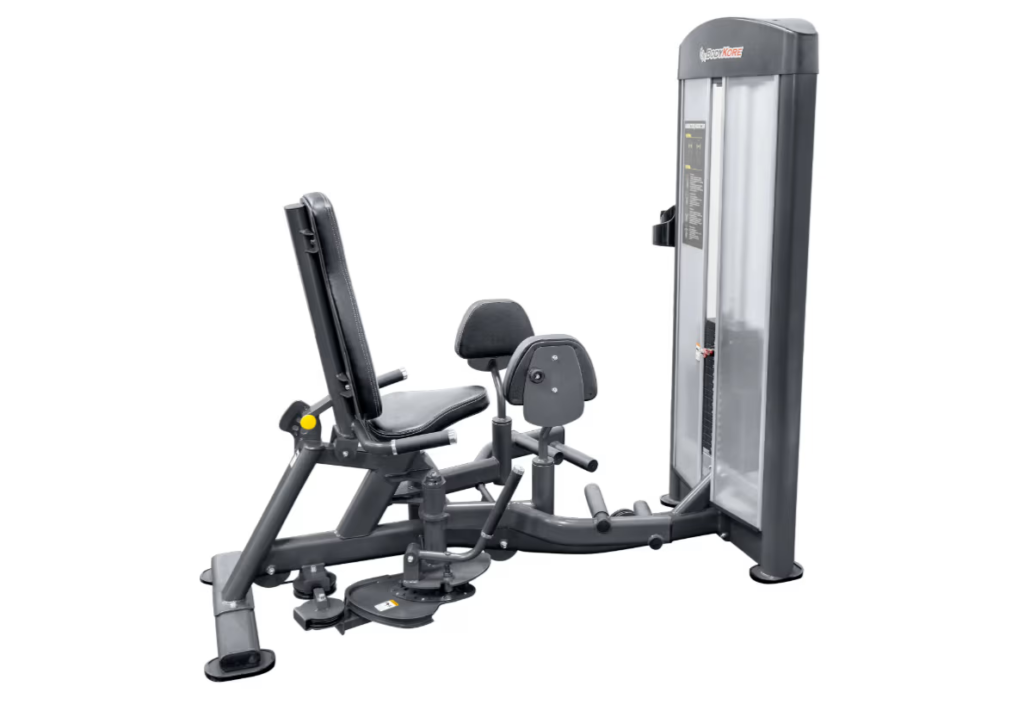
- Adjust the seat and pads to fit your body, ensuring your knees bend to roughly a 90-degree angle when seated
- Sit upright with your lower back pressed firmly against the back pad
- Position your feet on the foot pedals close together, with your knees against the outer pads
- Brace your core to keep your spine neutral and stationary throughout the movement
- Exhale and press your knees outward through the pads in a controlled outward arc
- Squeeze your glutes and abductors briefly at full abduction
- Inhale and slowly return to the starting position, controlling the resistance rather than letting it snap back
Common Form Mistakes to Avoid
- Using momentum instead of controlled, deliberate movement
- Rounding or excessively arching the back during the exercise
- Forcing the range of motion beyond a comfortable, controlled stretch
- Selecting weights too heavy to control, which limits proper muscle activation
Form Checklist Table
| Do | Don’t |
|---|---|
| Keep your back flat against the pad | Round or arch your lower back |
| Move slowly and with control | Use momentum to swing the weight |
| Exhale on the outward push | Hold your breath through the movement |
| Choose a moderate, controllable weight | Load up heavy weight at the expense of form |
Recommended Sets, Reps, and Programming
Since the hip abductors are a smaller muscle group, they generally respond better to higher-rep, controlled training rather than heavy, sloppy loading.
- Rep range: Aim for approximately 12 to 20 reps per set
- Sets: 2 to 4 working sets per session is typically sufficient
- Tempo: Use a slow, controlled 2- to 3-second return on the inward phase to maximize time under tension
- Progression: Add reps before increasing weight, then raise the load in small increments
The abductor machine works well as a finisher after compound lower-body exercises like squats or lunges, or as a targeted way to strengthen weak hip stabilizers earlier in a workout.
Benefits of Training on the Abductor Machine
Improved Squat and Lower-Body Stability
Strong hip abductors help keep the knees properly aligned during squats and lunges, preventing the inward knee collapse that can compromise both performance and joint health.
Better Balance and Athletic Performance
The hip abductors play a key role in stabilizing the pelvis during walking, running, and single-leg movements, contributing to better balance during cutting movements, jumping, and sudden changes in direction.
Reduced Injury Risk
Weak hip abductors are commonly linked to issues like knee pain, IT band syndrome, and hip impingement. Strengthening these muscles helps correct imbalances that can otherwise lead to compensation patterns and injury over time.
Balanced Glute Development
Because compound lifts tend to emphasize the gluteus maximus, dedicated abductor work helps build the gluteus medius and minimus, contributing to fuller, more balanced glute development and outer hip shape.
Benefits Summary Table
| Benefit | Why It Matters |
|---|---|
| Knee alignment | Prevents inward knee collapse during squats and lunges |
| Pelvic stability | Supports balance during walking, running, and single-leg work |
| Injury prevention | Reduces risk of IT band syndrome and hip impingement |
| Glute development | Builds the gluteus medius and minimus for fuller hip shape |
Who Should Use the Abductor Machine?
The abductor machine’s seated, guided design makes it accessible to a wide range of users, including:
- Beginners, who benefit from its simple setup and controlled motion
- Those recovering from injury, since the seated position places low stress on the knees and lower back
- Athletes, looking to build hip stability for sports involving lateral movement or sprinting
- General lifters, wanting to address muscle imbalances that heavy compound lifts alone may not fully target
Why the Abductor Machine Deserves a Place in Your Routine
Several factors make this often-overlooked machine worth adding to a well-rounded lower-body program:
- Targets muscles compound lifts often miss, particularly the gluteus medius
- Low joint stress, thanks to its supported, seated design
- Genuine carryover to real-world stability, supporting better balance and injury resistance
- Complements, rather than replaces, major compound lifts like squats and deadlifts
FAQs About the Abductor Machin
1. What muscles does the abductor machine work? It primarily targets the gluteus medius and minimus, along with the tensor fasciae latae, and partially activates the gluteus maximus.
2. How many reps should I do on the abductor machine? Most guidance recommends 12 to 20 reps per set, since the hip abductors are a smaller muscle group that responds well to higher-rep, controlled training.
3. Can the abductor machine help with knee pain? Yes, strengthening the hip abductors can improve knee alignment during movements like squats, which may help reduce strain linked to certain types of knee pain.
4. Is the abductor machine good for beginners? Yes, its guided, seated design makes it a beginner-friendly option compared to free-weight hip exercises, since it adds stability and reduces the need to balance the movement.
5. Should I use the abductor machine instead of squats? No, the abductor machine complements compound lifts like squats rather than replacing them, targeting muscles that heavy compound movements often undertrain.
Conclusion
The abductor machine offers a genuinely effective, low-risk way to strengthen muscles that many lower-body routines overlook. By targeting the gluteus medius and surrounding hip stabilizers, it supports better squat form, improved balance, and reduced injury risk, all with a beginner-friendly, guided setup.
Used with proper form and sensible programming, the abductor machine can be a valuable addition to any well-rounded lower-body training routine.
