



The History of the Irish Independent
The Irish Independent was founded on August 2, 1905, by a group of nationalists, including the influential figure William Martin Murphy. Established in Dublin, the newspaper was created to provide a platform for Irish news, culture, and nationalism at a time when the country was grappling with British rule. It quickly distinguished itself as an advocate for Irish interests, promoting independence and self-governance through its editorial stance.
Over the decades, the Irish Independent played a significant role in key historical moments, reporting on events such as the Easter Rising of 1916, and the subsequent Irish War of Independence. Through various ownership changes and editorial shifts, the newspaper remained a central voice in advocating for social reform and economic progress in Ireland. In 1973, it became part of the Independent News & Media group, which facilitated an expansion of its reach and influence.
The 20th century saw the Irish Independent evolving in response to technological advancements and changing consumer habits. With the introduction of digital platforms, the publication embraced online journalism, allowing it to cater to a broader audience. This transition not only revolutionized how news is disseminated but also reflected the newspaper’s commitment to adapting to the new demands of the media landscape.

Today, the Irish Independent remains a prominent national daily, renowned for its investigative journalism and comprehensive coverage of both domestic and international affairs. It has established itself as a premier source of news in Ireland, continually striving to uphold its legacy while navigating the complexities of modern journalism. The history of the Irish Independent is a testament to its resilience and adaptability, ensuring its relevance in a rapidly changing world.
Editorial Perspective and Notable Columnists
The Irish Independent is renowned for its editorial stance which often reflects a center-right perspective. This positioning can significantly influence its coverage of political events, social issues, and economic policies, as the newspaper tends to endorse free-market principles and is generally supportive of conservative viewpoints. However, the Irish Independent does also engage with a range of opinions, providing a platform for diverse voices within the public sphere. This multifaceted approach allows it to cater to a broader readership while still upholding its core editorial values.
One notable feature of the Irish Independent is its roster of influential columnists, many of whom are recognized figures in journalism and public commentary. Journalists such as Eamon Dunphy and Ruth Dudley Edwards have made substantial contributions to the newspaper. Eamon Dunphy, with his background in sports journalism, offers insights that often blend sports narratives with cultural commentary, fostering a unique dialogue among readers. Meanwhile, Ruth Dudley Edwards is known for her provocative analyses on historical and contemporary issues, drawing from her expertise as a historian and author.
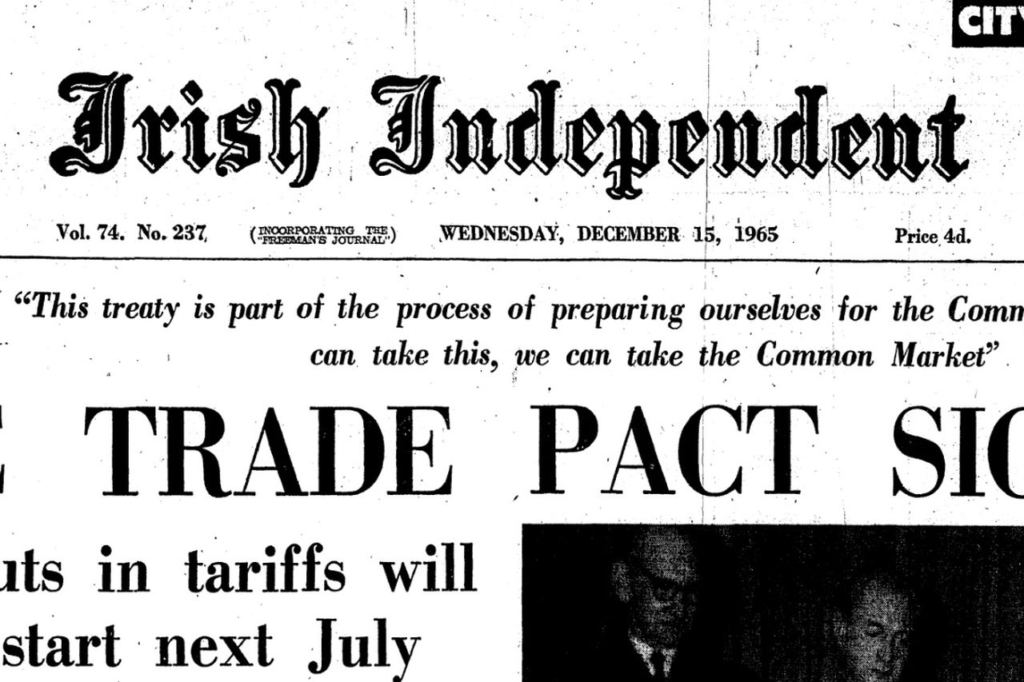
These columnists, along with others in the Irish Independent, play a pivotal role in shaping public discourse in Ireland. Their varied styles and perspectives not only reflect the newspaper’s editorial stance but also challenge readers to consider different viewpoints on pressing societal issues. This dynamic interplay enhances the newspaper’s credibility and relevance in the rapidly evolving landscape of Irish media. In effect, the Irish Independent serves not just as a source of news, but as a critical platform for discussion and debate, reinforcing its standing as one of Ireland’s premier newspapers.
Key Sections and Content Areas
The Irish Independent is widely recognized as one of Ireland’s leading newspapers, renowned for its comprehensive news coverage and insightful commentary. It comprises several key sections that cater to a diverse readership, each reflecting distinct interests and demographics.
One of the most significant areas is the news section, where readers can find up-to-date reports on local, national, and international events. This section not only provides news on politics, economics, and societal developments but also covers emerging trends in areas such as technology and environmental issues. The target audience for this section includes general readers who seek to stay informed about current affairs.
The opinion section, another vital component of the Irish Independent, offers a platform for editorial commentaries, opinion pieces, and letters from readers. This section encourages thoughtful discourse on pressing topics, often reflecting a range of perspectives. Commentary on political decisions, social changes, and public policies is common, aiming to engage readers who wish to explore different viewpoints.
In addition to news and opinion, the lifestyle section presents articles on living well, travel, health, and cultural events. This section is particularly popular among readers who aim to enhance their quality of life and stay abreast of cultural happenings and lifestyle trends. Features often include interviews with influential personalities, providing insights into their lifestyles and influences.
Furthermore, the sports section is a staple for many, covering the breadth of Irish sporting events and profiles of athletes. This section targets sports enthusiasts looking to follow their favorite teams and learn more about various sports, from rugby to soccer.
Overall, these sections of the Irish Independent work together to establish an engaging and informative publication that captures the interests and concerns of the Irish public. By adapting to current trends, including critical issues like climate change and advances in technology, the newspaper continues to enhance its relevance within the media landscape.
Challenges and Future Outlook of the Irish Independent
The Irish Independent, as one of Ireland’s leading daily newspapers, is currently grappling with numerous challenges that are emblematic of the wider media landscape. One of the most significant issues confronting traditional print media is fierce competition from digital platforms. With the rise of online news sources and social media, many readers have shifted their consumption habits, favoring instant access to news over physical copies of newspapers. This shift has forced the Irish Independent to reassess its relevance in the digital age.
Additionally, changing readership demographics have further complicated the landscape. Younger audiences, in particular, tend to prioritize brevity and multimedia content over long-form journalism. In response, the Irish Independent has begun to explore various strategies to adapt to these changing habits. This includes a greater emphasis on digital content, implementing paywalls for premium articles, and diversifying its offerings through podcasts and newsletters to engage readers on multiple platforms.
Looking ahead, the Irish Independent is also focusing on community engagement as a vital approach to ensure its longevity. This approach involves fostering a closer relationship with its readership by incorporating local stories and events into its coverage, thereby reinforcing its position as a relevant source of news and information. Innovations in digital technology, such as enhanced user interfaces and personalized content recommendations, may also play a crucial role in attracting and retaining readers.
In conclusion, while the challenges faced by the Irish Independent are substantial, the publication’s proactive strategies to embrace digital trends and engage with its community show promise. By navigating these tumultuous waters, the Irish Independent can reinforce its standing as a premier newspaper in both print and digital formats, ensuring its future in the evolving media landscape.
