



The Origins of Vanity Fair
The term “Vanity Fair” has its origins in the 19th century, primarily associated with the novel written by William Makepeace Thackeray, published in 1847-1848. This literary work was not just a tale of two women, Becky Sharp and Amelia Sedley, but rather a detailed exploration of British society during that era, marked by its rigid social class structures and moral dilemmas. Thackeray crafted his narrative as a satire aimed at the vanities and follies of his contemporaries, capturing the essence of a society deeply entrenched in appearances and social status.
The narrative unfolds against the backdrop of the Napoleonic Wars, juxtaposing personal aspirations against the grand tableau of historical events. Thackeray utilized a variety of literary techniques, including irony, humor, and keen observational insight, to underscore the superficial nature of society, making “Vanity Fair” a critical commentary on human behaviors and cultural trends of the time. The novel’s characters are emblematic of broader societal archetypes, making the story as relevant today as it was during the 19th century.
Over the years, the term “Vanity Fair” has expanded beyond its literary origins. Following the novel’s publication, the name was adopted for a magazine launched in 1913, which gained prominence for its focus on celebrity culture, fashion, and high society. This evolution reflects the magazine’s commitment to the satirical spirit established by Thackeray. Today, Vanity Fair serves as a platform that not only features in-depth articles on politics and culture but also retains its roots in exploring the superficial facets of societal life.
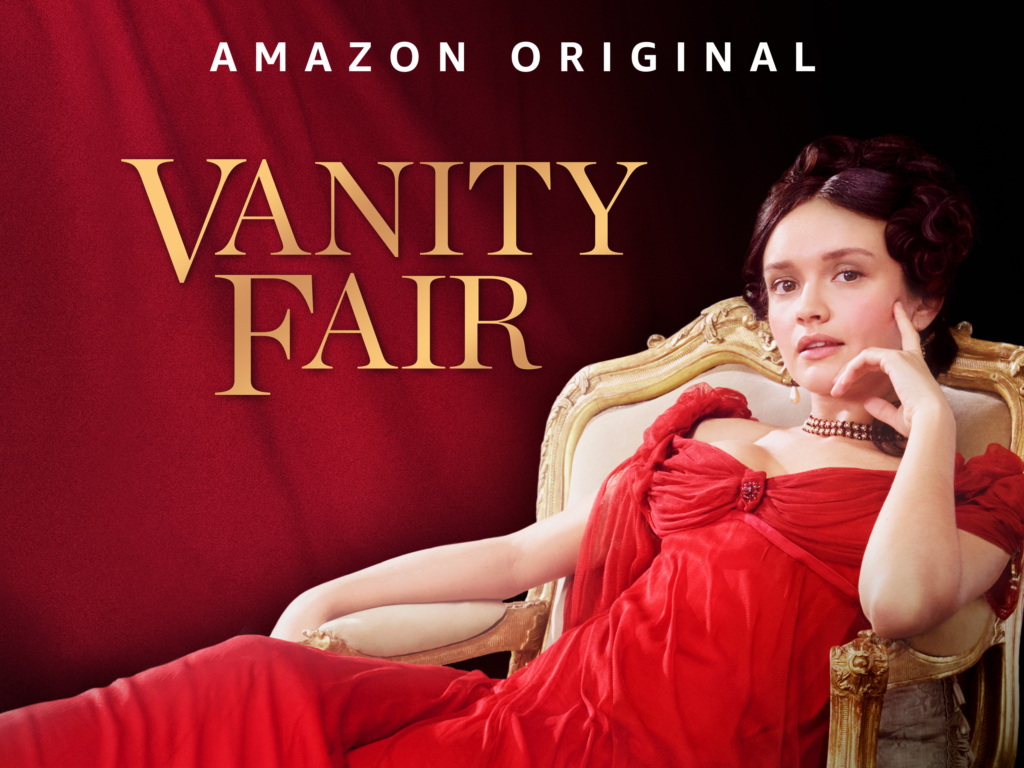
Vanity Fair in Popular Culture
Vanity Fair has transcended its origins as a mere publication to become a significant cultural touchstone that influences various facets of media, film, and fashion. Since its founding, this prominent magazine has not only documented contemporary society’s elite but has also actively shaped public perception of fame and glamour through its carefully curated content and striking covers. One of the most iconic moments in Vanity Fair’s history occurred with the cover featuring a nude and pregnant Demi Moore in 1991, which sparked widespread discussion about celebrity vulnerability and body image, setting a precedent for future celebrity portrayals.
The magazine’s impact extends beyond traditional print media; it has increasingly integrated into the digital landscape, where social media platforms amplify its reach and influence. Vanity Fair’s clever use of visual storytelling and compelling narratives have also made it a frequent source of inspiration for filmmakers and television series. Notably, the magazine’s themes have been adapted and embraced in films that examine the intersection of celebrity and societal expectations, shedding light on the often complex relationship between the public’s fascination with fame and the private struggles of those within the spotlight.
Additionally, in the realm of fashion, Vanity Fair has served as a launchpad for numerous influential designers and trends, showcasing an evolving style that reflects the changing tastes of society. Its annual Hollywood issue celebrates the glitz and glamour of the film industry while also recognizing the diverse talents and backgrounds of its featured actors. As a significant player in the celebrity culture domain, Vanity Fair has contributed to reshaping narratives surrounding fame, success, and the human experience, continually resonating with audiences across generations.
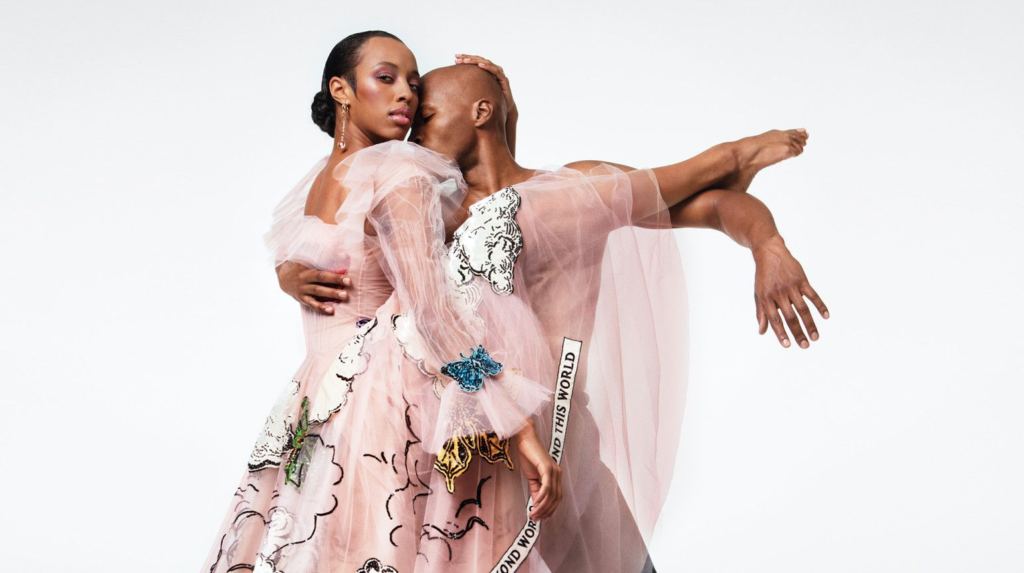
The Modern-Day Vanity Fair: What It Represents Today
In the present day, Vanity Fair has evolved from its historical roots to become a significant player in contemporary media. The magazine now encompasses a broad spectrum of topics, reflecting society’s complex tapestry through its editorial choices and feature stories. Participants in today’s global dialogue find themselves engaged with the magazine’s diverse content, which delves into critical issues such as politics, art, culture, and social justice.
One of the most notable aspects of modern Vanity Fair is its commitment to investigative journalism. The magazine frequently publishes in-depth features that analyze current events and offer readers a nuanced understanding of contemporary issues. This dedication not only provides context but also encourages informed discourse among its readership. Additionally, Vanity Fair has expanded its coverage to highlight diverse voices from various backgrounds, ensuring that multiple perspectives are represented in their narratives.
The magazine’s portrayal of cultural and political figures has historically influenced public perception, and the contemporary version continues this legacy. By covering influential personalities in film, music, literature, and activism, Vanity Fair plays a critical role in shaping societal views. Whether through profiles, essays, or critiques, the magazine invites readers to engage with the complexities of fame and its implications in a modern context.
Furthermore, Vanity Fair often addresses pressing social issues, fostering discussions about inequality, climate change, and systemic injustice. Through these editorial choices, it positions itself not merely as a lifestyle publication but as a platform for social commentary and change. In these ways, Vanity Fair maintains its relevance and continues to adapt to the evolving landscape of modern society, ensuring that it remains a crucial part of contemporary discourse.
The Legacy of Vanity Fair: Lessons and Perspectives
Vanity Fair, as a cultural touchstone, has transcended its original scope of a mere publication to become a mirror reflecting societal values, aspirations, and dilemmas. This continuous relevance highlights critical lessons about human nature, particularly our obsession with fame, fortune, and validation. The magazine’s portrayal of the lives of the wealthy and influential encapsulates the enduring allure of vanity—an impulse that drives individuals and society at large to pursue status and acknowledgment. Through glamour and gossip, Vanity Fair has intricately woven itself into the fabric of our collective psyche, making it more than just a spectator of culture.
The magazine’s exploration of ambition reveals a duality intrinsic to the human experience: the motivation to achieve greatness often coexists with the risks of moral compromise. By chronicling the triumphs and scandalous downfalls of public figures, Vanity Fair offers a cautionary tale about the price of ambition. This is particularly relevant in today’s hyper-competitive landscape, where the pursuit of personal branding and public approval can sometimes overshadow genuine achievement. The lessons gleaned from its coverage serve as reminders of the transient nature of fame and the inherent complexities that accompany the pursuit of success.
Furthermore, in examining the cultural dynamics that Vanity Fair highlights, one gains insight into the shifting societal values across generations. The magazine often challenges its readers to reflect on the implications of their aspirations and the societal structures that enable or constrain those dreams. In an age rife with social media and omnipresent digital footprints, the legacy of Vanity Fair encourages a thoughtful examination of how we navigate the interplay between public persona and private identity. Ultimately, it remains a vital lens through which we can better understand the nuances of vanity, ambition, and our collective human experience.
