


Early Life and Career Beginnings
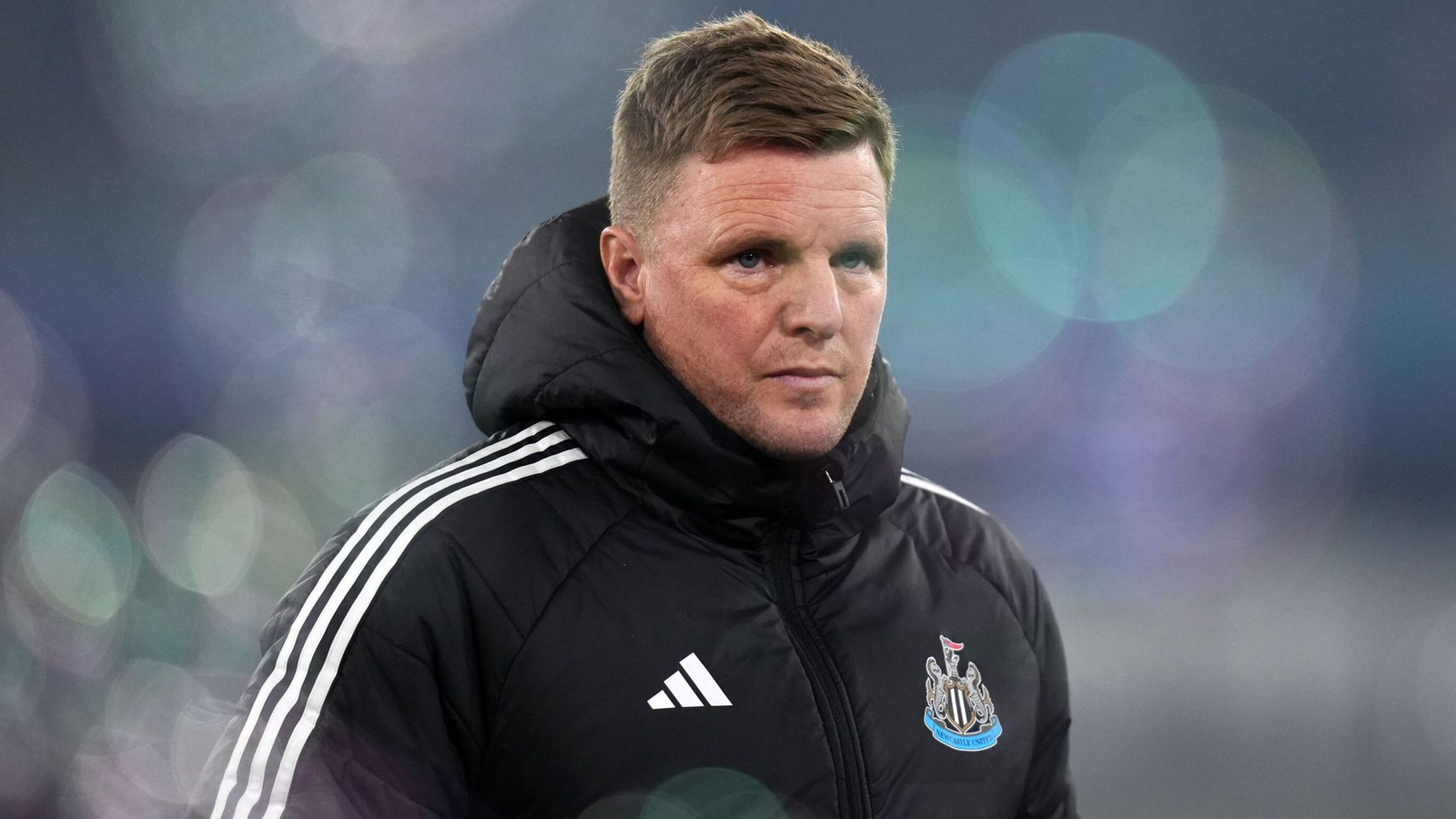
Eddie Howe was born on November 29, 1977, in Amersham, Buckinghamshire, England. From a young age, football played a significant role in his life, largely influenced by his father, who was an avid supporter of the sport. Growing up, Howe developed a keen interest in the game, which led him to pursue football actively in his youth. As a child, he showcased his talent in local teams, establishing a foundation that would serve him well in his future endeavours.
His football journey began to take a more formal shape when he joined the youth team of Bournemouth at the age of 13. The club was instrumental in nurturing his skills and passion for the game. Howe’s dedication and determination paid off when he was offered a professional contract and made his debut for Bournemouth in 1995. Over the next several years, he would solidify his position as a key player, becoming known for his defensive capabilities and leadership on the pitch.
During his time as a player, Eddie Howe faced several challenges, including injuries that ultimately affected his playing career. However, these setbacks only served to enhance his understanding of the game and fuel his ambition. After retiring in 2012, he transitioned smoothly into management, with Bournemouth being his first managerial role. His experiences during his formative years at the club not only gave him invaluable insights into various tactics but also instilled a profound understanding of the club’s culture and philosophy. This groundwork ultimately laid the foundation for his later success as a tactician in football, paving the way for a remarkable career in management.
Management Journey at Bournemouth
Eddie Howe‘s managerial career at Bournemouth began in 2008 when he was appointed as caretaker manager after the departure of Jimmy Quinn. His initial tenure was brief, but it marked the beginning of a story that would see Howe become a pivotal figure in the club’s history. By 2012, Howe had returned to the club full-time, and under his guidance, Bournemouth transformed from a struggling League One side into a competitive force in the Premier League.
One of the most significant milestones in Eddie Howe’s career was leading Bournemouth to the Championship title in the 2014-15 season. This achievement was particularly remarkable considering the club had faced relegation to the lower league just a few seasons prior. Howe’s tactical acumen, characterized by an attacking style of play and an emphasis on high pressing, not only earned results but also captivated supporters and neutral observers alike.
Throughout his time at Bournemouth, Eddie Howe faced numerous challenges. The club operated with limited financial resources and was often competing against teams with richer histories and deeper pockets. Nevertheless, Howe’s ability to cultivate talent from the youth academy and effectively utilize loan signings contributed to the sustainable growth of the squad. His focus on player development was instrumental in nurturing young talent, allowing players like Callum Wilson and Joshua King to flourish under his management.
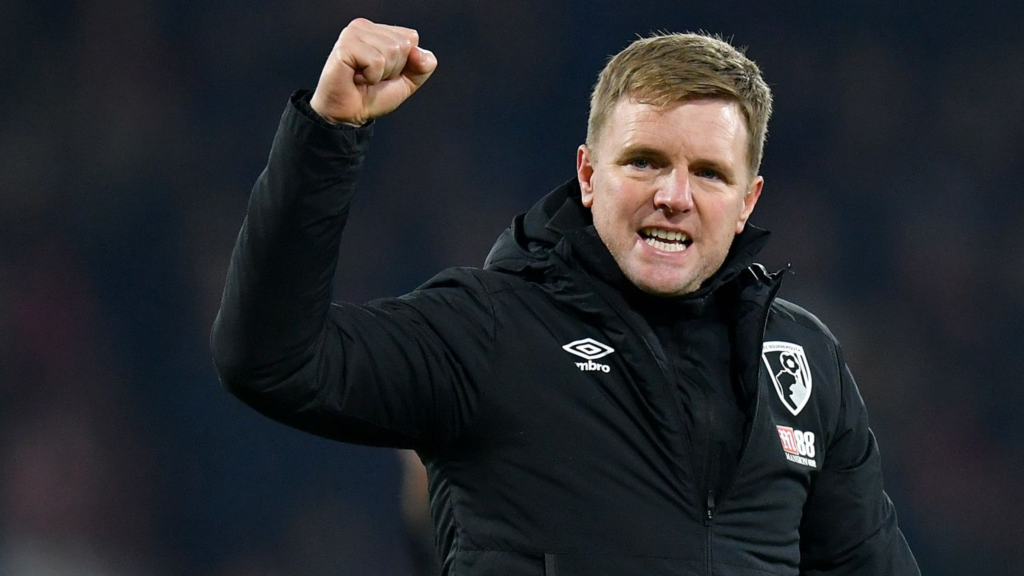
Moreover, his meticulous attention to detail and the ability to adapt his tactics according to opponent strengths were significant factors in his managerial success. Howe’s emphasis on fitness, tactical flexibility, and teamwork formed the cornerstone of his management style, which not only galvanized the players but also fostered a palpable sense of unity within the squad.
In conclusion, Eddie Howe’s journey at Bournemouth is a testament to his capabilities as a football manager. From navigating financial constraints to effecting a meteoric rise through the leagues, Howe’s leadership and vision have left an indelible mark on the club’s legacy.
Philosophy and Tactical Innovations
Eddie Howe, a prominent figure in modern football management, has developed a comprehensive tactical philosophy that transcends conventional coaching norms. His approach focuses on creating a cohesive unit where players can express themselves while adhering to a systematic plan. Central to Howe’s philosophy is the importance of team dynamics; he believes that fostering a positive environment enhances player performance and drives success. This notion has not only helped him cultivate talent but also foster a sense of unity and purpose within his squads.
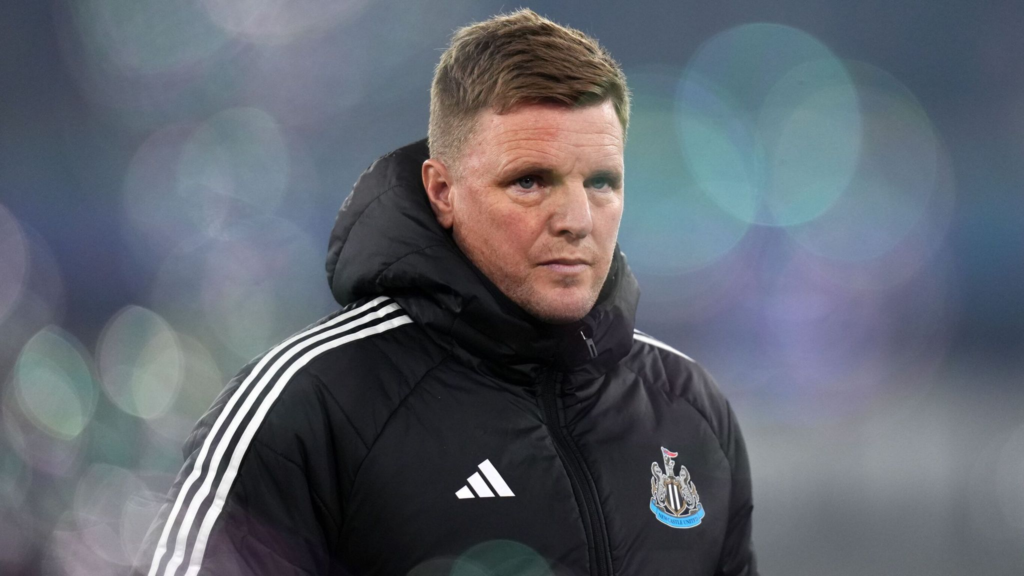
Howe’s tactical innovations are evident through his adaptable formations and strategic plays. He typically employs a flexible tactical structure that allows fluency in transitions between defense and attack. For instance, while he often utilizes a 4-4-2 formation, he is not afraid to switch to a 4-3-3 or a 3-5-2, depending on the opponent’s strengths and weaknesses. This adaptability showcases Howe’s profound understanding of football dynamics and his ability to maximize the potential of his squad.
Moreover, player development is at the core of Howe’s methods. He emphasizes the importance of nurturing young talent, instilling in them both technical skills and tactical awareness. By doing so, he ensures that players not only fit into his immediate tactical needs but also evolve into future leaders within the team. Howe’s insistence on integrating youth players into competitive match situations has proved beneficial. His track record indicates a strategic foresight that aims to build endurance and resilience within his teams, preparing them for both domestic and international challenges.
Through his detailed analysis of opponents and data-driven preparations, Eddie Howe has consistently demonstrated his commitment to evolving football strategies, making him a significant tactician in the sport.
Legacy and Future Aspirations
Eddie Howe has left an indelible mark on the world of football, particularly through his extraordinary tenure at AFC Bournemouth. Under his guidance, the team not only ascended from the lower tiers of English football to the Premier League but also showcased a style of play that prioritized attacking football and youth development. Howe’s tenure at Bournemouth is marked by resilience, innovation, and a unique ability to extract the best from his players. His contributions have similarly influenced the ethos of clubs striving for success with limited resources, thus exemplifying the potential of thoughtful management.
The impact of Howe extends beyond Bournemouth; his strategies and methodologies have sparked discussions at various levels of British football. His emphasis on player development has encouraged younger talents to believe in their potential, guiding a new generation of athletes. This legacy is significant, as it underscores not just tactical acumen but also the holistic growth of players as individuals. Howe’s work ethic, passion, and commitment have made him a respected figure among peers, earning admiration from fans and fellow managers alike.
As for Eddie Howe’s future aspirations, they remain a subject of much speculation. With his successes attracting attention from larger clubs, there is considerable interest in whether he will choose to extend his journey with Bournemouth or seek opportunities at more prominent institutions in the domestic and international football scene. Such a move could further his managerial prowess on a grander stage, potentially allowing him to impact a wider audience. Regardless of where his career path may lead, Howe’s dedication to the sport and commitment to building winning teams will undoubtedly shape the future trajectory of football in the UK.
